
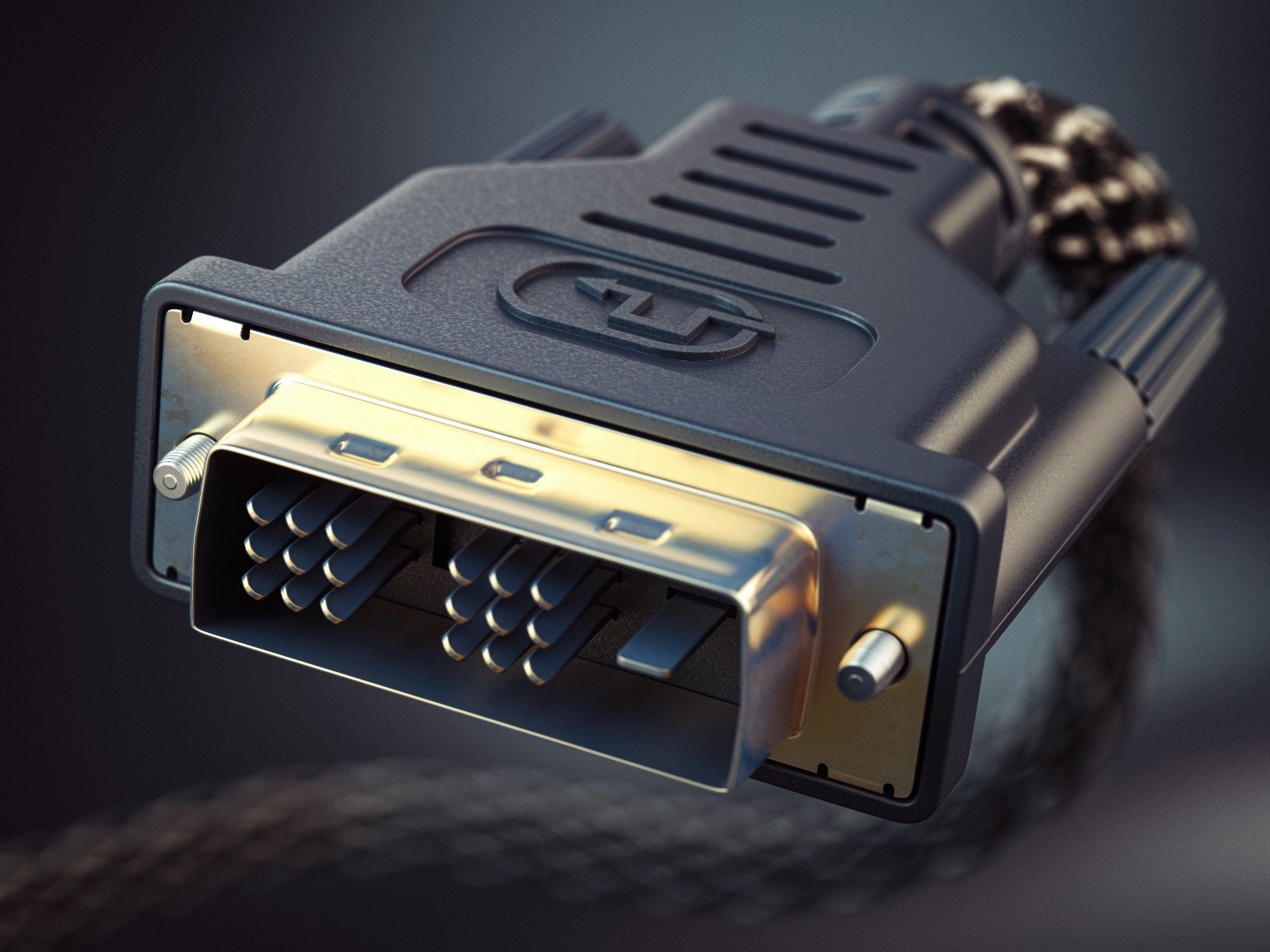
DVI is a video display interface developed to maximize the quality of flat-panel LCD monitors and modern video graphics cards. It was introduced in 1999 to accommodate the transition from analog to digital displays. DVI supports both analog and digital video signals, depending on the specific DVI configuration (DVI-A for analog, DVI-D for digital, and DVI-I for integrated analog/digital). DVI connectors are primarily found in various devices, including older monitors, projectors, and graphics cards. While DVI is primarily designed to transmit digital video, certain configurations (like DVI-I) can also support analog transmissions, making it versatile for legacy systems.
The digital video transmission aspect of DVI maintains a high level of fidelity by preserving the digital signal from the graphics source to the monitor, without converting it to analog. This leads to sharper and clearer images compared to VGA, particularly at higher resolutions. DVI can support resolutions up to 2560x1600 using the dual-link configuration, which uses more pins to double the power of transmission.
Pros:
- High-Quality Video Output: Provides clear, sharp images without the degradation that can occur with analog signals, which is especially beneficial at higher resolutions.
- Versatility in Compatibility: DVI supports multiple modes (analog and digital), allowing it to be used with both new digital devices and older analog systems.
- No Digital Rights Management (DRM): Unlike HDMI, DVI typically does not carry High-bandwidth Digital Content Protection (HDCP), which can simplify the connection between devices without concerns over content blocking.
Cons:
- No Audio Support: DVI does not support audio signals; audio requires separate cables and connections, which can complicate setup.
- Physical Size: DVI connectors are relatively large, which can be cumbersome and may not be suitable for modern compact devices.
- Being Phased Out: As technology progresses, DVI is being replaced by more advanced connections like HDMI and DisplayPort, which offer wider bandwidth, audio support, and smaller connectors.
DVI has been a significant step forward in digital video transmission technology, providing high fidelity visual display that was essential during the transition period from analog CRTs to digital LCDs. However, its usage is declining as newer standards that support higher resolutions, audio transmission, and smaller physical connectors become more prevalent in consumer electronics.