
There are two most important questions to ask yourself: what is the primary purpose, and what is your budget? The answer to the first gives an idea of the criteria that matter most; the answer to the second shows how close you can get to satisfying them. In general, the higher the budget, the fewer compromises you will have to make.
What a gaming monitor needs
Refresh rate first - it is the difference between a game that looks smooth and one that does not, and it is what you feel rather than what you can see in a specification list. Then response time, which is what keeps fast movement clean, and G-SYNC or FreeSync to stop the picture tearing. Resolution comes after those: 1440p is the current sweet spot for competitive play, because it keeps frames high at sizes you can actually see, and 4K earns its place on larger screens.
Our picks
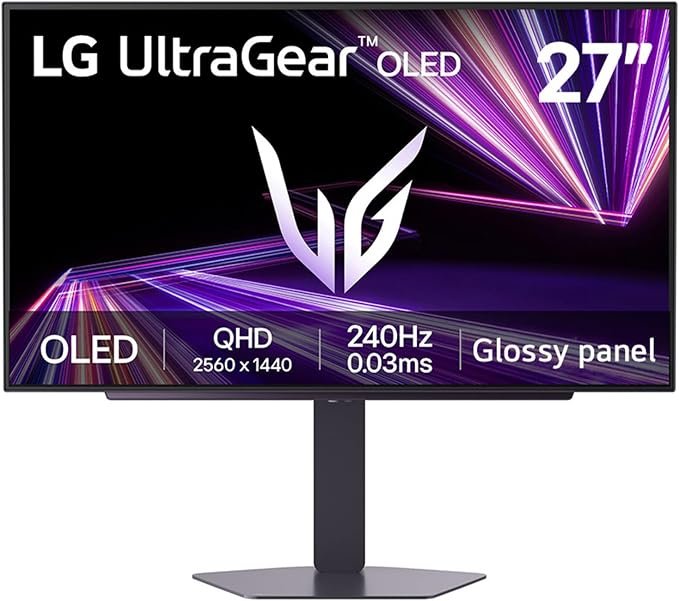
- \1. A 27-inch QHD WOLED panel at 240Hz and 0.03 ms, using Micro Lens Array+ for around 37.5% more SDR brightness than a standard OLED and a peak of 1,300 nits, with HDR True Black 400, HDMI 2.1 and both G-SYNC Compatible and FreeSync Premium Pro. The reference point for a fast OLED.
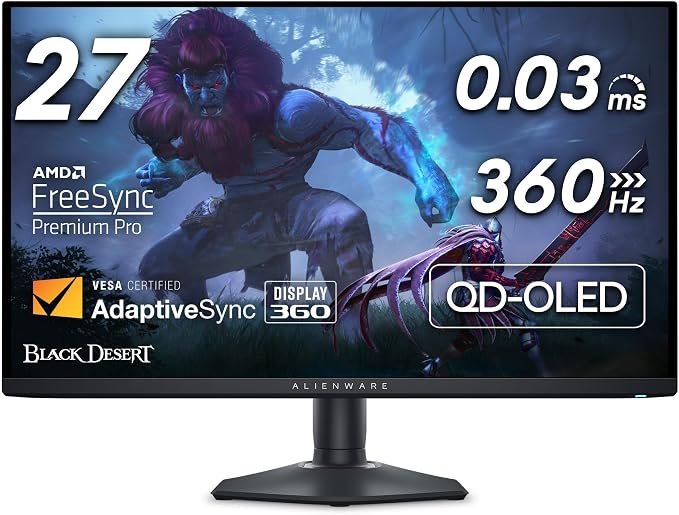
- \1. The same 27-inch QHD QD-OLED panel at 360Hz - the fastest refresh rate in this group - with the quantum-dot layer delivering high colour purity without the glow, haloing or blooming around lights that OLEDs are sometimes accused of. Buy this one for competitive shooters.
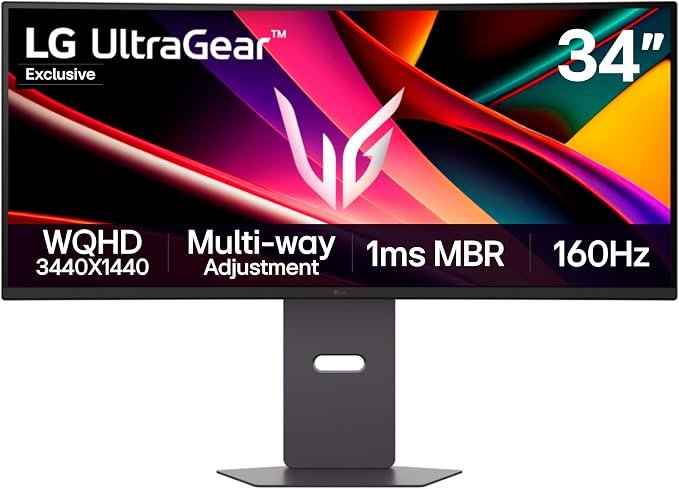
- \1. A 34-inch UWQHD curved panel at 3440x1440 - 34% wider than 16:9, so you see more of the game world - running at 160Hz with 1 ms MBR, HDR10 and 99% sRGB, with speakers built in. This is the immersion pick rather than the speed pick.
Prices move daily - the card under each pick carries the current one, so trust the card rather than any figure quoted here.