
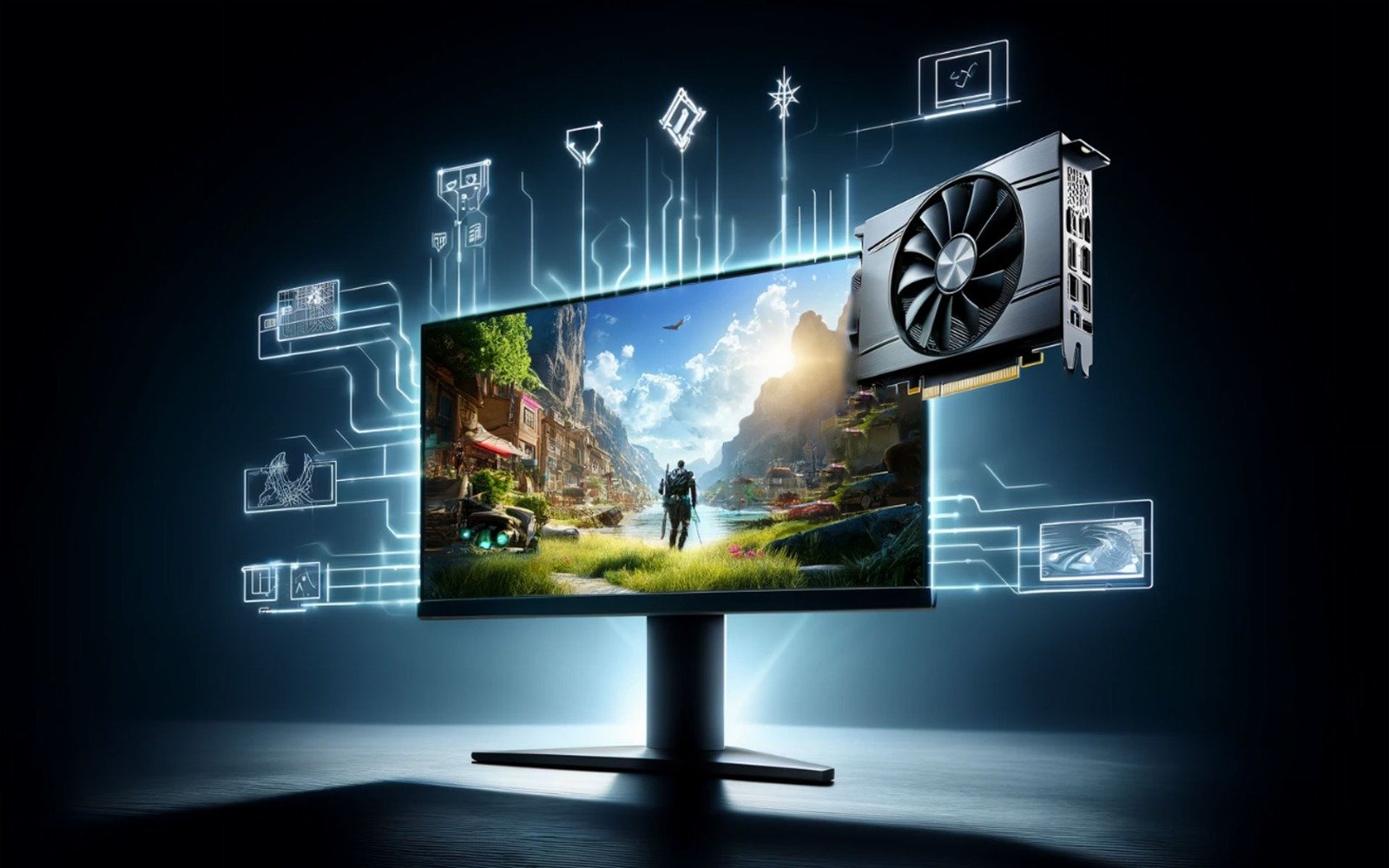
FreeSync is an adaptive synchronization technology developed by AMD to compete with NVIDIA's G-SYNC. It aims to reduce or eliminate screen tearing, stuttering, and input lag by allowing a compatible display's refresh rate to match the frame rate output by the graphics card dynamically. Unlike G-SYNC, FreeSync uses the Adaptive-Sync standard built into the DisplayPort specification, making it more widely available and less costly to implement. FreeSync is compatible with monitors that support the Adaptive-Sync standard and AMD graphics cards.
Pros
- Eliminates Screen Tearing: This feature improves the gaming experience by synchronizing the GPU's frame rate output with the monitor's refresh rate.
- Reduces Stuttering and Input Lag: This technology offers smoother gameplay and faster response times, benefiting gaming and dynamic video content.
- Cost-Effective: Typically, FreeSync monitors are less expensive than G-SYNC counterparts because they do not require proprietary hardware but instead rely on the Adaptive-Sync standard.
Cons
- Variable Implementation Quality: Since FreeSync does not require a proprietary module, there is greater variability in implementation and performance across different monitors.
- Compatibility: Works exclusively with AMD graphics cards, which may limit options for users with NVIDIA GPUs.
Considerations
- The choice between G-SYNC and FreeSync often comes down to the user's existing or preferred GPU brand due to compatibility requirements.
- Both technologies significantly improve gaming and video playback experiences by addressing screen tearing and reducing stutter and lag. However, G-SYNC monitors typically offer a more consistent quality at a higher price, while FreeSync provides a more cost-effective solution with a broader range of monitor options.
- Recent developments have seen some cross-compatibility, with certain FreeSync monitors being certified as G-SYNC Compatible, allowing them to work with NVIDIA graphics cards under specific conditions.