
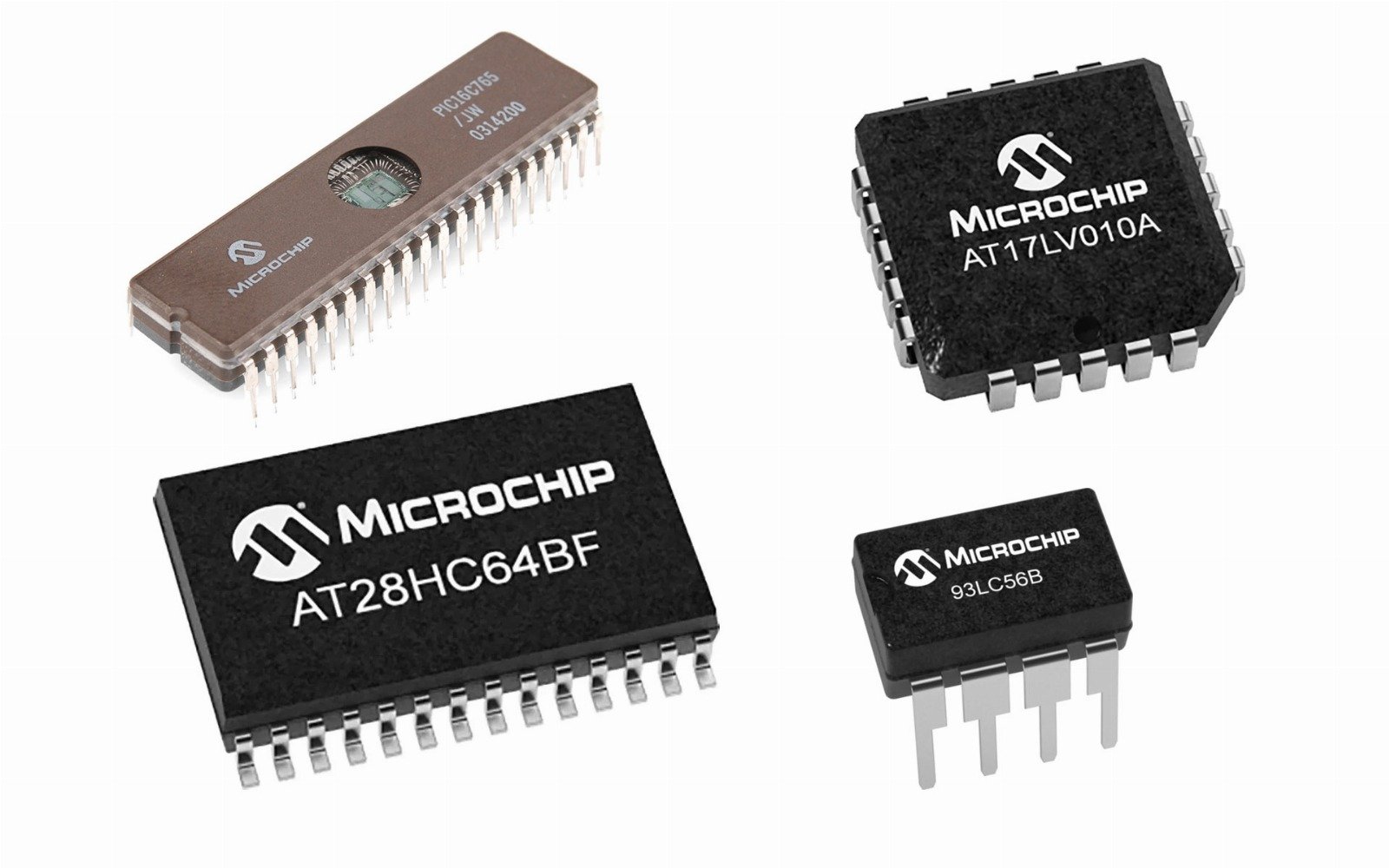
ROM, or Read-Only Memory, is a type of non-volatile storage that is primarily used in computers and other electronic devices to store firmware or software that is rarely changed or updated. Unlike RAM (Random Access Memory), data stored in ROM remains intact even when the device is turned off. This permanence makes ROM an ideal place to store the system's boot firmware, which is the first piece of code that runs when a device is turned on.
ROM chips are programmed with data during the manufacturing process, and the information can be accessed quickly but cannot be modified easily or at all, depending on the type of ROM. There are several types of ROM, including:
- Mask ROM: Hardwired data written during the chip fabrication, unchangeable.
- PROM (Programmable ROM): Can be written once using a special device; after programming, the data cannot be changed.
- EPROM (Erasable Programmable ROM): Can be erased by exposure to strong ultraviolet light and then reprogrammed.
- EEPROM (Electrically Erasable Programmable ROM): Allows electrical erasing and reprogramming of data. It is more flexible than EPROM and is often used for configuration settings that need to be modified occasionally.
Pros:
- Permanence: Data stored in ROM does not get erased when the device is powered off, making it ideal for essential programs like system firmware.
- Reliability: ROM provides a highly stable and secure way to store data, as the risk of unintended modifications is low.
- Fast Read Speed: Access times for ROM are generally faster than other types of non-volatile memory when reading data, contributing to quicker device startup times.
Cons:
- Inflexibility: Most ROM types cannot be modified once data is written; reprogramming, if possible, is cumbersome and not practical for regular updates.
- Higher Cost for Rewritable Forms: Technologies like EPROM and EEPROM, which allow rewriting, are more expensive than plain ROM and other forms of non-rewriteable memory.
- Limited Storage Capacity: Compared to modern storage technologies like SSDs or HDDs, ROM chips generally offer much less storage space.
ROM plays a critical role in ensuring the basic operation and integrity of systems by securely storing firmware and other crucial software components that must persist through power cycles. Its use spans from simple household appliances and gadgets to complex computing systems where a stable and reliable storage medium for boot processes and system operations is essential.