
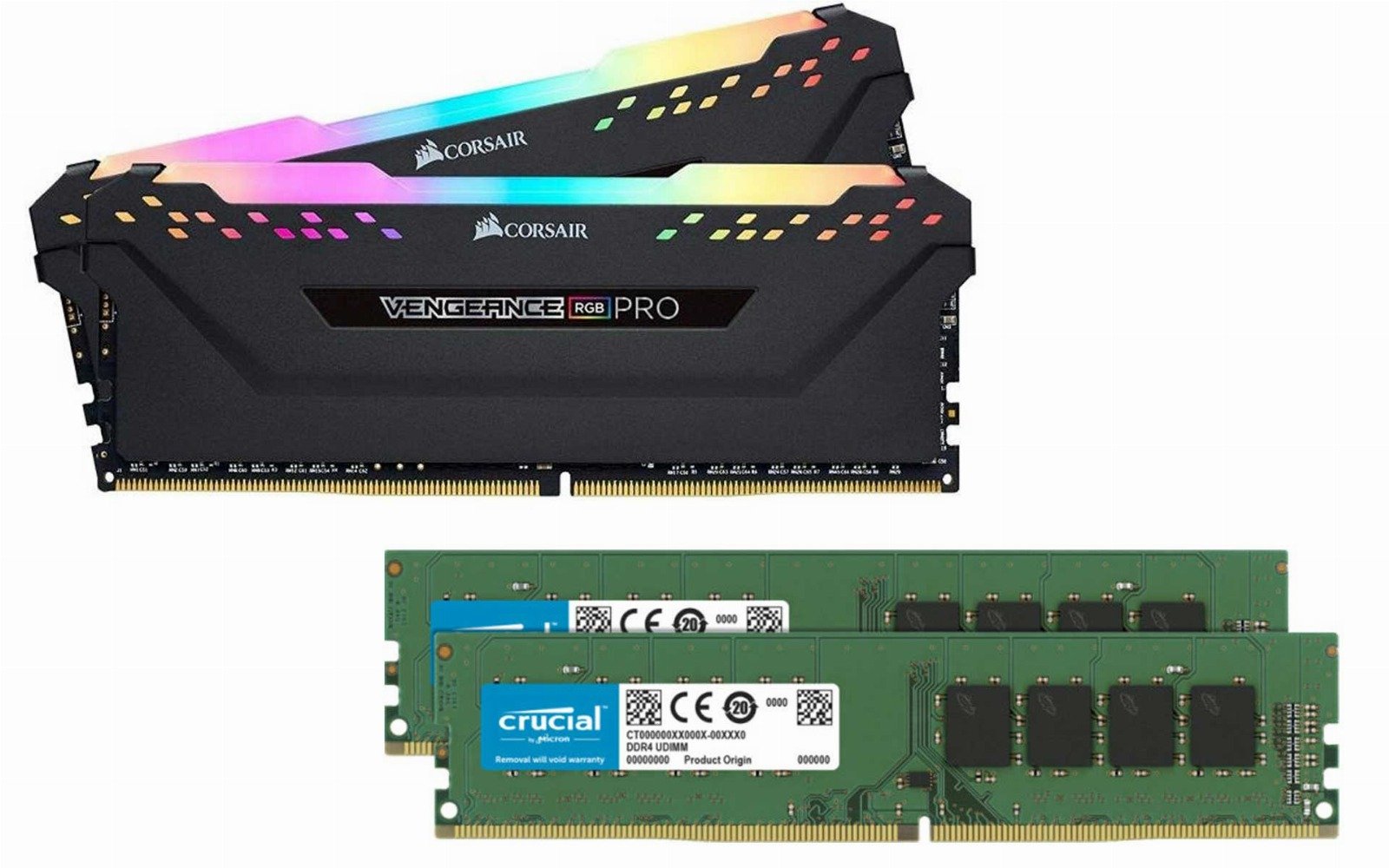
Random Access Memory (RAM) is a crucial component in all computing devices, serving as the system's short-term data storage. RAM stores the data and program code needed by the CPU in real-time, providing fast data access to the processor without having to use slower storage solutions like SSDs or HDDs. Unlike hard drives, RAM is volatile, which means it loses its contents when the power is turned off. This feature makes it perfect for temporary storage and quick data retrieval, but not for long-term data preservation.
RAM allows applications to run smoothly and enables efficient multitasking by holding active program data, user data, and system processes while the computer is powered on. The amount of RAM in a computer significantly affects its ability to run multiple applications simultaneously and handle complex tasks. As applications and operating systems have become more advanced, the demand for RAM has increased accordingly.
Pros:
- Speed: RAM provides data at much higher speeds than other storage components, ensuring that the CPU has immediate access to the data it needs without delay.
- Efficiency: Having sufficient RAM allows a system to work more efficiently by reducing the load times and improving the responsiveness of applications.
- Multitasking Capability: More RAM enables a computer to run multiple applications at the same time without a significant slowdown in performance.
Cons:
- Volatility: RAM does not retain information once the power is switched off, which means data must be saved to non-volatile storage to prevent loss.
- Cost: Higher capacity RAM modules can be expensive, especially those with faster speeds or lower latency.
- Physical Limitations: The amount of RAM that can be installed is limited by the motherboard and the operating system. Upgrading beyond these limits requires additional investments in other hardware components.
RAM is a key factor in determining a computer's performance, influencing everything from basic computing tasks to advanced applications requiring large amounts of data to be processed quickly. Whether it's for a personal computer, a smartphone, or a server, RAM plays a fundamental role in the overall functionality and speed of the device.