
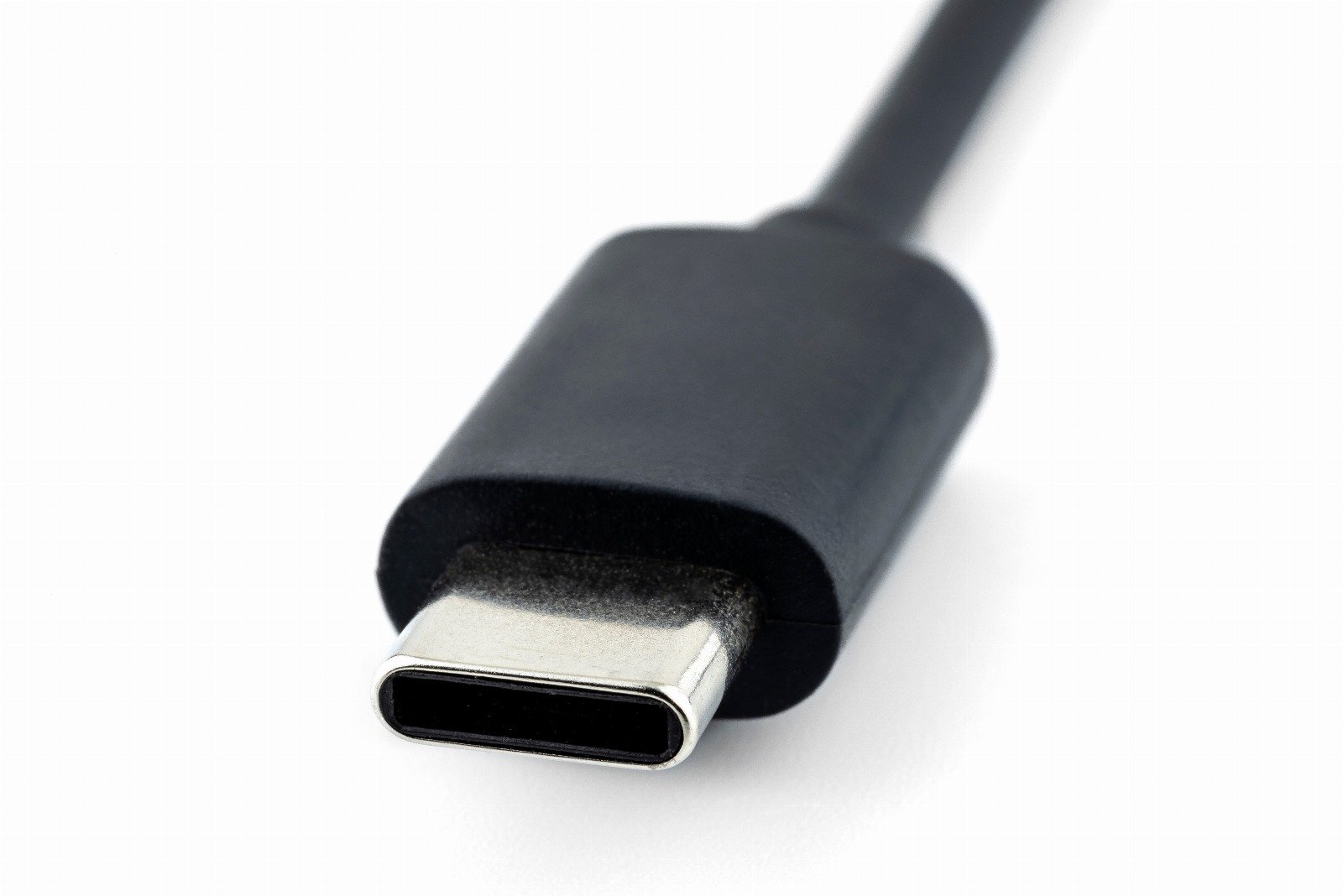
USB-C is increasingly becoming popular due to its versatility and support for various data protocols, including DisplayPort and Thunderbolt. It can handle high-definition video, data transfer, and power over a single compact connector, which has led to its adoption in a wide range of devices including smartphones, laptops, and tablets. USB-C ports are designed to be reversible, making them easier to connect without worrying about the orientation of the plug.
Pros:
- Versatility: Supports video, data, and power delivery through a single port and cable.
- Reversible Design: USB-C connectors are reversible, making them easier to connect.
- Wide Adoption: Increasingly used across a variety of devices, enhancing compatibility across different types of technology.
Cons:
- Inconsistent Implementation: Not all USB-C ports support all functionalities, leading to potential confusion.
- Power Delivery Variability: Power delivery capabilities can vary, which may not meet the needs of all devices, particularly high-power-demand laptops.
- Requires Newer Devices: Older devices may not have USB-C ports, necessitating adapters or new hardware for compatibility.