
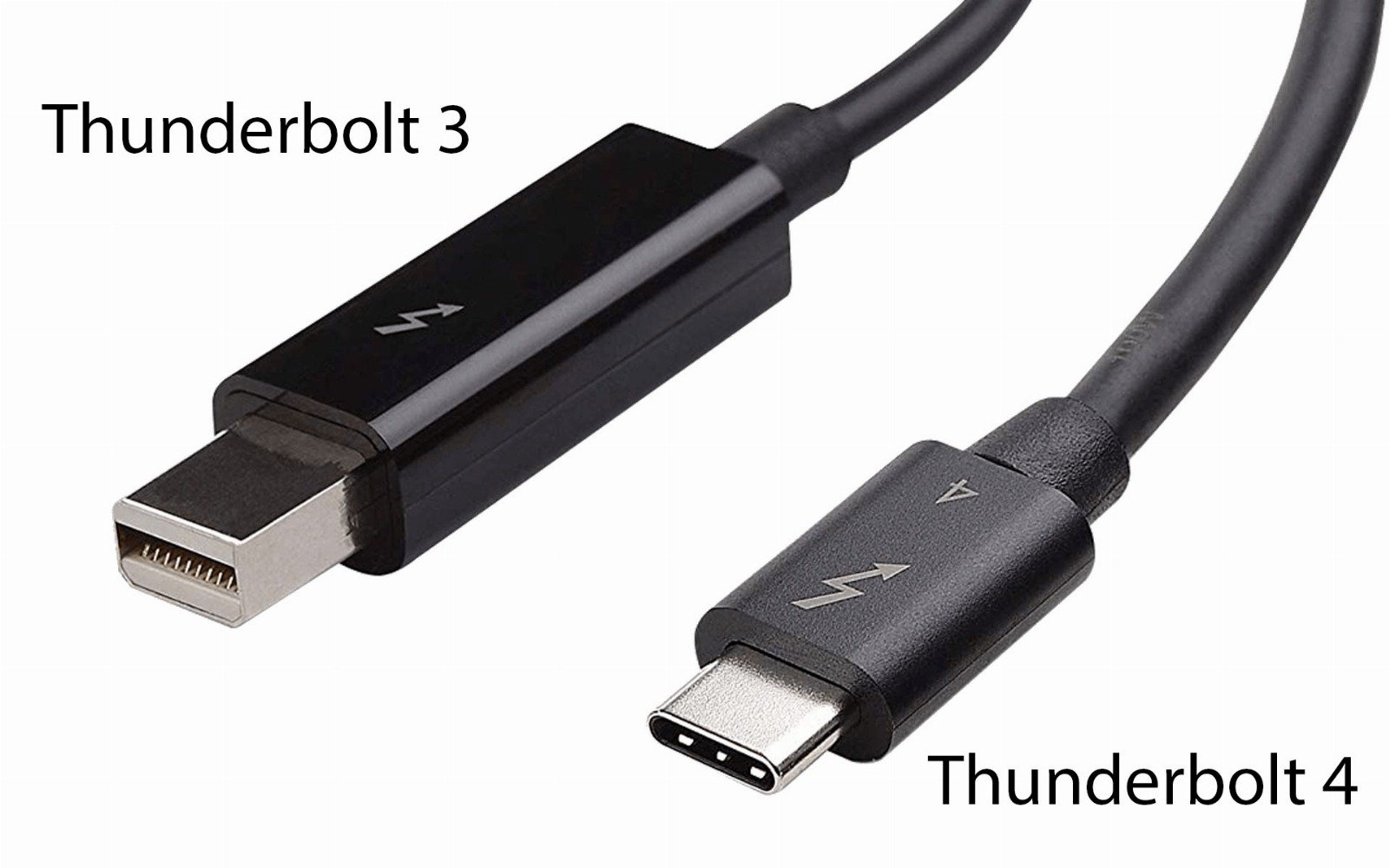
Thunderbolt is a high-speed hardware interface developed by Intel in collaboration with Apple. It combines data, video, audio, and power in a single connection. Thunderbolt technology supports high-resolution displays and high-performance data devices through a single, compact port. Originally introduced in 2011, Thunderbolt has undergone several iterations, with Thunderbolt 3 and the latest Thunderbolt 4 being the most prevalent, utilizing the USB-C connector type.
Thunderbolt 3 provides data transfer speeds up to 40 Gbps, which is significantly faster than previous generations. It can support dual 4K displays or a single 8K display and provides up to 100 watts of power delivery, enough to charge laptops and other devices. Thunderbolt 4 maintains the same speed but improves minimum performance requirements, supports waking from sleep with peripherals connected, and expands capabilities for daisy-chaining devices and data security.
Pros:
- High Speed: Thunderbolt supports very high data transfer speeds, ideal for large file transfers, video editing, and data-intensive applications.
- Versatility: It combines data transfer, video output, and charging in a single connector, reducing the need for multiple ports and cables.
- Daisy-Chaining: Thunderbolt allows multiple devices to be connected in a series through a single connection without a loss in bandwidth, enhancing workspace efficiency and connectivity.
Cons:
- Cost: Thunderbolt devices and accessories tend to be more expensive than those using other standards like USB due to advanced technology and licensing fees.
- Compatibility: While Thunderbolt 3 and 4 use the USB-C connector, not all USB-C ports support Thunderbolt, which can be confusing and limit connectivity options.
- Limited Adoption: Despite its capabilities, the widespread adoption of Thunderbolt is still limited compared to USB, partly due to higher costs and initially being more common in higher-end devices.
Thunderbolt is particularly popular among professionals and creatives who require the fastest possible data transfer speeds and flexibility, such as video editors, photographers, and data scientists. Its ability to connect multiple devices and displays while maintaining high performance makes it a powerful solution for modern computing needs. As technology progresses, Thunderbolt continues to evolve, further integrating and expanding its capabilities within the ecosystem of computer peripherals and devices.