
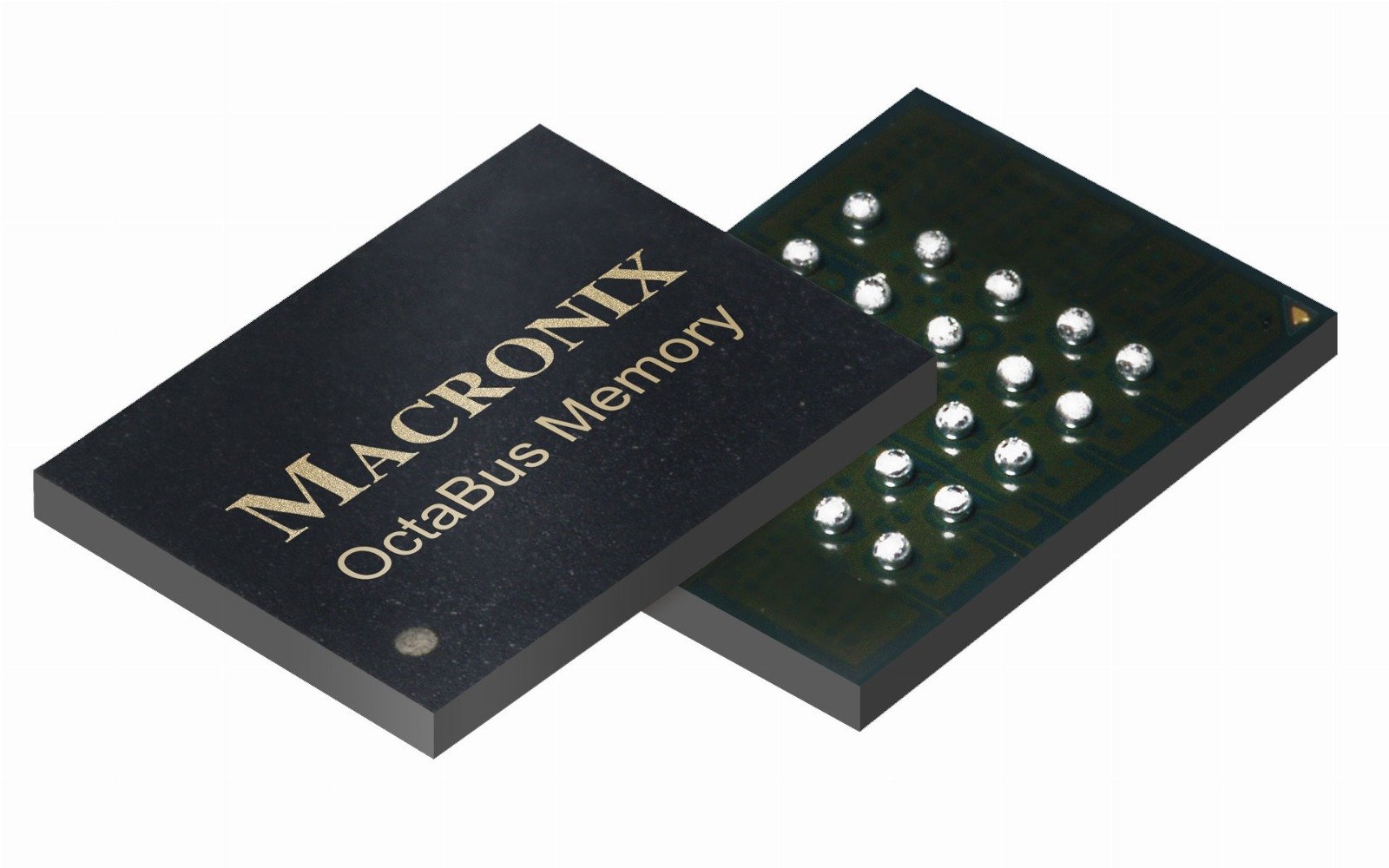
NOR flash memory is a type of non-volatile storage technology that, like NAND flash, does not require power to retain data. Named after the "NOR" logic gate, it was developed by Toshiba in the late 1980s and is primarily used for storing executable code that needs to be run by devices such as digital cameras, mobile phones, and embedded systems. NOR flash offers full address and data buses compatibility with random-access memory (RAM), making it excellent for storing firmware and other read-mostly data that require byte-level access.
NOR flash memory provides faster read speeds compared to NAND flash, but its write and erase operations are slower and more costly. It has a longer lifespan in terms of write and erase cycles compared to NAND, making it suitable for applications where data integrity and longevity are crucial. The structure of NOR flash allows for individual bytes to be read or written to, whereas NAND flash typically requires block-level operations.
Pros:
- Fast Read Speed: NOR flash provides very fast read speeds, making it ideal for storing and executing code directly from the memory, a process known as execute-in-place (XIP).
- Durability: With no moving parts, NOR flash is resistant to shock and environmental extremes, similar to other types of flash memory.
- Reliability: NOR flash is highly reliable for applications that require long-term data retention and frequent read operations.
Cons:
- Cost and Density: NOR flash is more expensive and offers lower data density than NAND flash, making it less economical for mass storage applications.
- Slower Write and Erase Speeds: The write and erase operations of NOR flash are slower, which can be a drawback for applications requiring frequent data updates.
- Limited Capacity Offerings: Due to its higher cost and structural design, NOR flash is typically available in smaller capacities than NAND.
NOR flash memory's ability to execute code directly from the chip without needing to copy the data into RAM first makes it particularly valuable for certain electronics that require fast, reliable, and direct access to their operating instructions. Despite its higher cost and slower write performance, NOR flash continues to be used in a variety of applications where longevity and read performance are prioritized.