
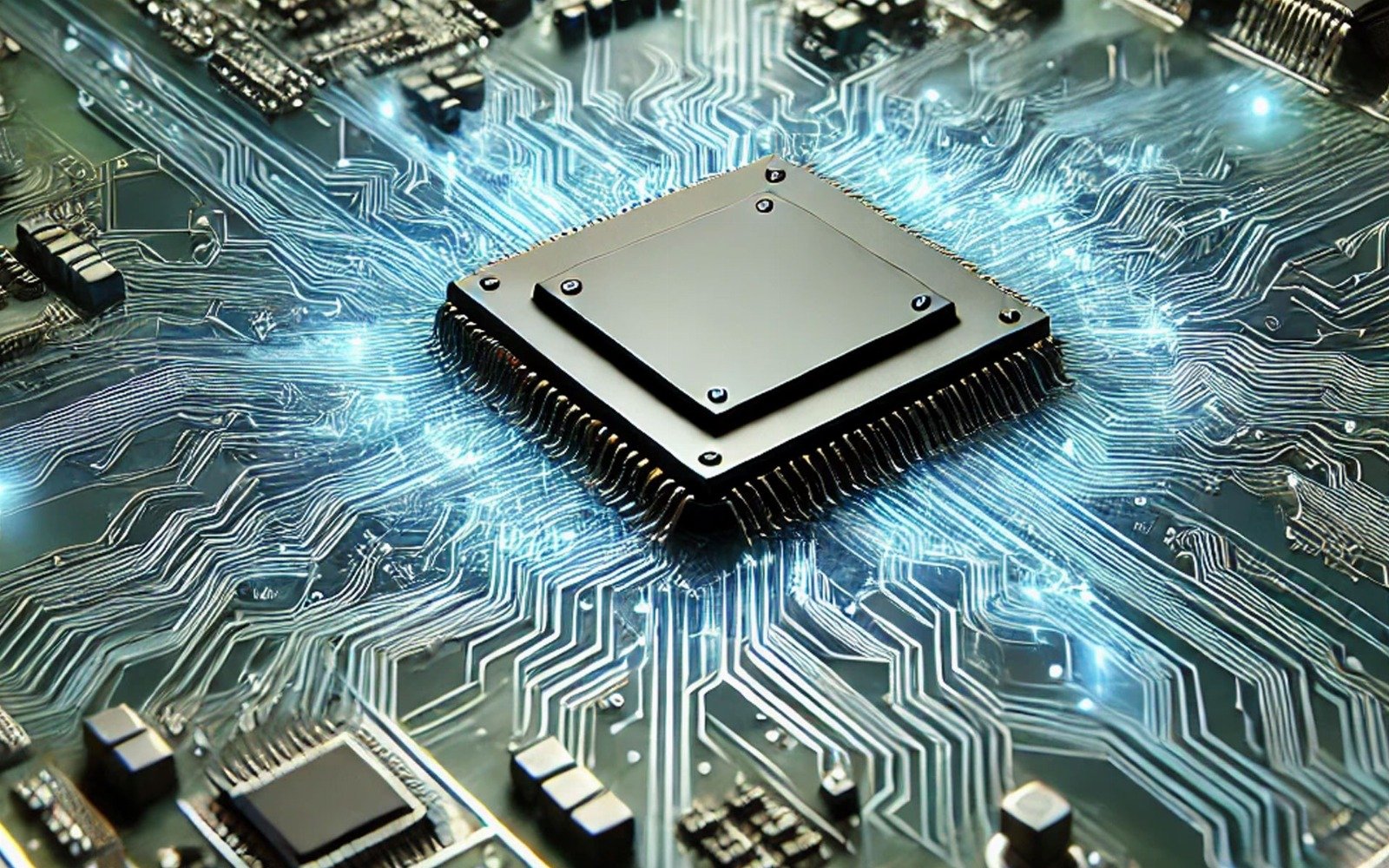
Firmware is a specific class of computer software that provides the low-level control for a device's specific hardware. Firmware can either be embedded into the hardware at the factory, such as in ROM (Read-Only Memory) or EEPROM (Electrically Erasable Programmable Read-Only Memory), or it can be installed by the user when updates are necessary. It acts as the operational backbone of various electronic devices, ranging from simple household appliances like microwaves and toasters to more complex systems like smartphones and personal computers.
Firmware is crucial because it directly manages and controls the hardware it resides on, often including initialization and management tasks that must be performed right at the device's startup. It provides essential instructions for how the device communicates with other hardware components or performs basic tasks. The firmware is generally created and tested very carefully to ensure its reliability since a firmware malfunction can disable the entire system.
Pros:
- Stability: Once tested and deployed, firmware is usually stable and reliable because it seldom changes, reducing the risk of software crashes.
- Direct Hardware Control: Firmware provides direct and efficient control over hardware, offering optimized performance for specific tasks or device functions.
- Security: In some cases, firmware can be used to store cryptographic keys securely or perform critical security functions that are isolated from higher-level operating system software.
Cons:
- Difficulty to Modify: Updating firmware can be risky; a failed update can render a device inoperable, a situation sometimes referred to as "bricking."
- Vulnerability to Attacks: If vulnerabilities exist, they can be hard to patch, and compromised firmware can pose significant security risks since it controls the hardware directly.
- Limited Flexibility: Firmware typically does not offer the flexibility or extensibility of higher-level software due to its specific focus and tight integration with hardware.
Firmware exists at the intersection of hardware and software, playing a pivotal role in nearly every modern electronic device. It operates silently in the background but is foundational to device functionality, from ensuring your smartphone boots up to controlling the flight patterns of drones. As technology evolves, the role of firmware becomes increasingly complex, integrating more features and requiring regular updates to enhance device capabilities and security.