
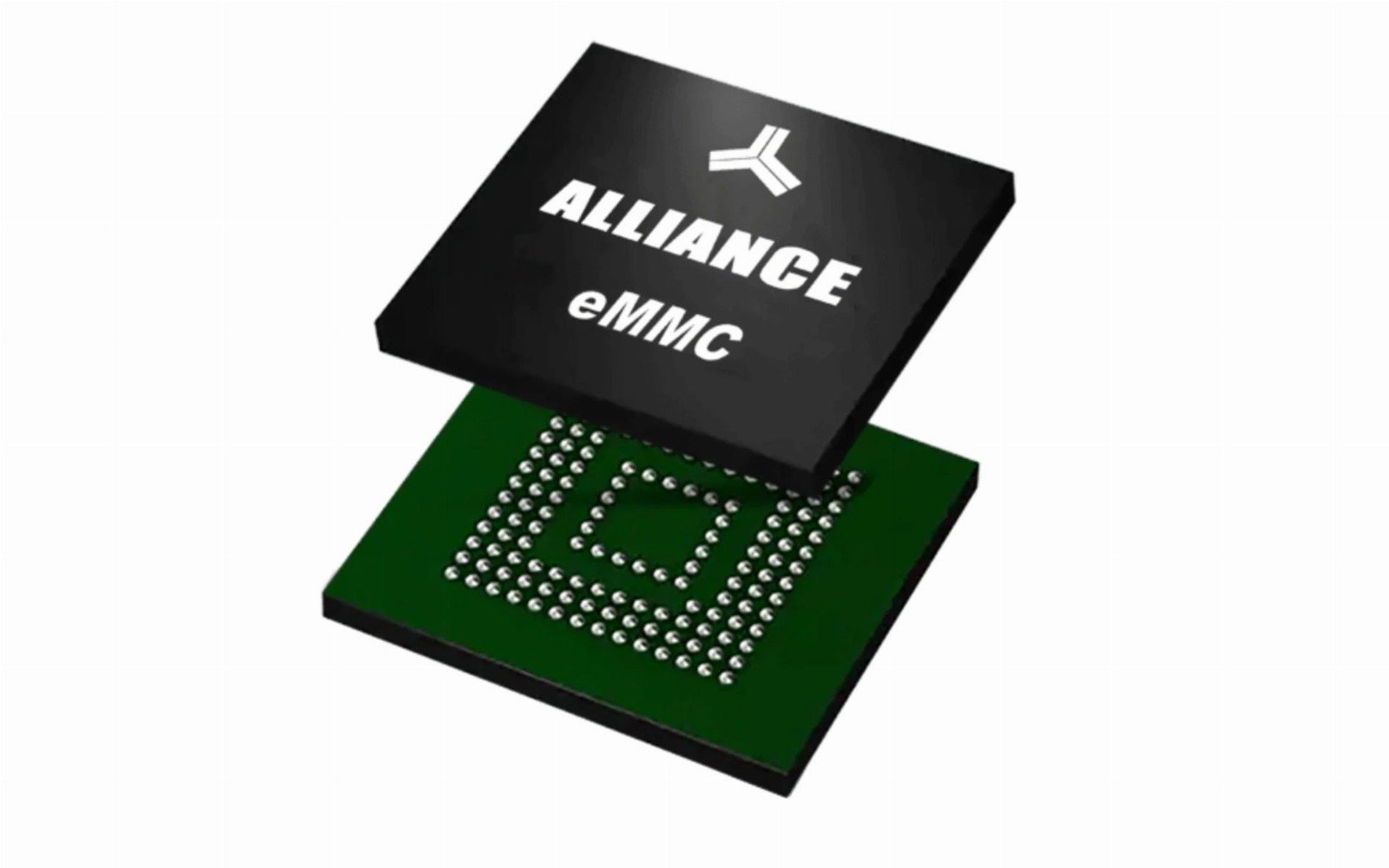
eMMC, short for Embedded MultiMediaCard, is a type of NAND flash-based storage commonly used in many consumer electronic devices, including smartphones, tablets, digital cameras, and other portable devices. It integrates both the flash memory and the flash memory controller on a single silicon die, which simplifies the design and manufacturing of the device and reduces the physical space needed for storage.
eMMC storage is popular in budget to mid-range devices due to its cost-effectiveness and adequate performance for many typical applications. The eMMC architecture allows for a streamlined integration that improves the production efficiency and helps lower the overall device cost. It supports various data transfer speeds and standards, with versions ranging from 4.5 to 5.1, where eMMC 5.1 can achieve interface speeds up to 400 MB/s through its HS400 mode.
Pros:
- Cost-Efficiency: eMMC is generally less expensive than other types of flash storage, such as SSDs, making it ideal for budget devices.
- Compact Size: The integrated design of eMMC helps in saving space, which is crucial for the compact form factors of mobile devices.
- Simplicity: The integration of the controller with the memory simplifies the design of the electrical interface and circuitry within the device, improving manufacturing efficiency.
Cons:
- Performance Limitations: While suitable for basic tasks, eMMC is significantly slower than more advanced storage technologies like UFS (Universal Flash Storage) or NVMe SSDs, especially in tasks involving high data transfer rates or intensive read/write operations.
- Limited Upgradeability: In most devices, eMMC storage is soldered directly onto the device's motherboard, which means it cannot be upgraded or replaced by the end-user.
- Wear and Longevity: eMMC can wear out over time as each cell in the flash memory has a limited number of write cycles.
eMMC storage is well-suited for devices where high storage performance is not the top priority but where compact design and cost reduction are more critical. It remains a widely used storage solution in many consumer electronics, providing a balance between performance and cost that is suitable for many average users' needs. However, as mobile devices and consumer expectations evolve, more manufacturers are shifting towards faster, but still cost-effective, alternatives like UFS for future products.