
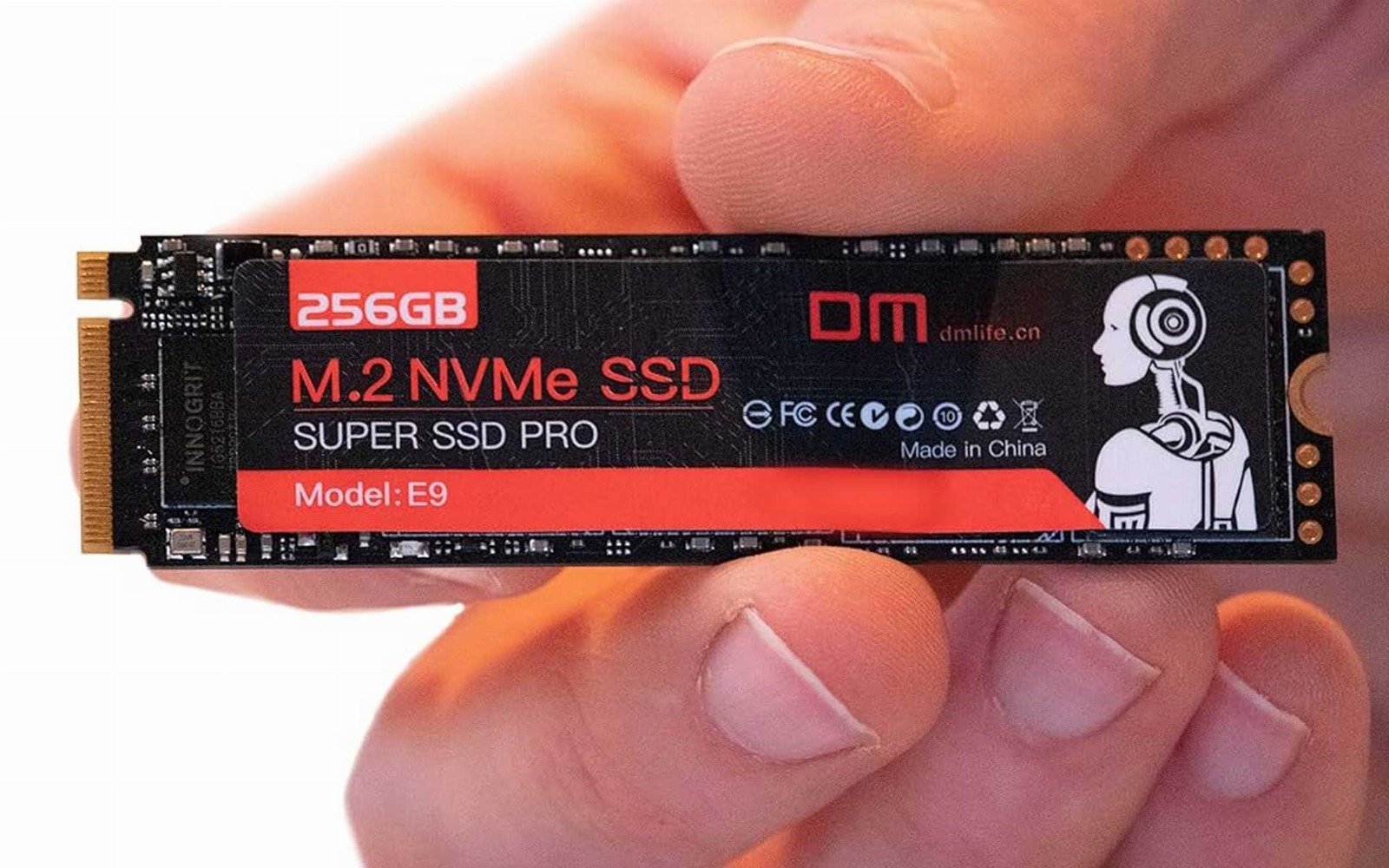
NVMe (Non-Volatile Memory Express) is a storage interface and protocol developed specifically for solid-state drives (SSDs) to capitalize on their high-speed potential offered by their non-volatile storage technology. It provides a significant improvement over older storage interfaces like SATA and SAS, offering lower latency and higher input/output operations per second (IOPS). Designed from the ground up to unlock the potential of high-speed flash memory, NVMe interfaces directly with the system’s PCIe (Peripheral Component Interconnect Express) bus to accelerate data transfer rates and enhance performance.
NVMe SSDs are commonly used in a variety of settings, from personal computers to enterprise data centers, due to their efficiency and speed. They come in several form factors, such as U.2 and M.2, the latter being particularly popular in consumer laptops and desktops for its compact size. NVMe drives support a parallel structure that can handle thousands of queues of data simultaneously, each with thousands of commands, significantly outperforming older technologies that were limited by fewer queues and commands.
Pros:
- High Performance: NVMe drives provide superior speeds and lower latency compared to SATA SSDs, dramatically improving boot times, file access speeds, and system responsiveness.
- Increased Efficiency: The ability to handle multiple data queues and thousands of simultaneous commands allows NVMe drives to maximize the capabilities of modern multi-core CPUs.
- Scalability and Flexibility: NVMe supports a range of system configurations from consumer laptops to high-end servers, adapting well to different scales of computing needs with varying capacities and form factors.
Cons:
- Cost: NVMe drives are generally more expensive per gigabyte than their SATA counterparts, making them a premium option.
- Hardware Requirements: To fully utilize NVMe technology, users need compatible hardware with PCIe slots, which might not be available in older systems.
- Overkill for Some Users: The high performance of NVMe may be more than what is required for average users, making the extra cost unjustifiable when a SATA SSD might suffice for everyday computing tasks.
NVMe is a game-changing technology in the realm of data storage, especially as more users move towards high-performance computing environments that demand rapid data access and processing. Its adoption continues to grow, driven by its performance benefits and the increasing demand for faster data processing capabilities in both personal and professional computing scenarios.