
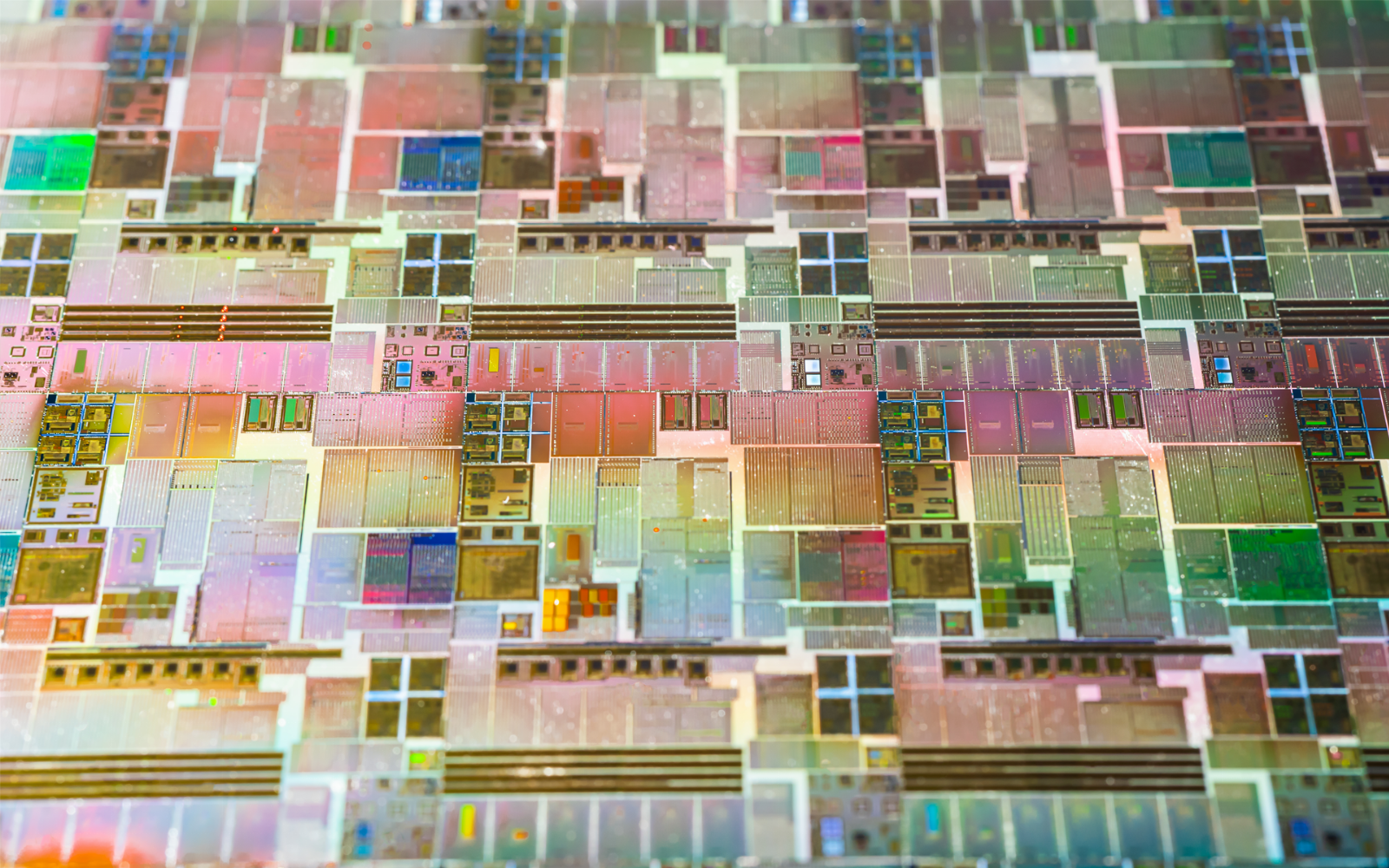
The x86 architecture is a family of instruction set architectures (ISAs) based on the Intel 8086 microprocessor and its 8088 variant. Introduced in the late 1970s, x86 architecture became dominant in the PC market, powering a wide range of computing devices from personal computers and laptops to servers and embedded systems. Initially developed for 16-bit microprocessors, the architecture has been extended to 32-bit (x86-32 or IA-32) and 64-bit (x86-64 or AMD64) versions, with the latter extension created by AMD and widely adopted for its enhanced performance capabilities.
The x86 architecture is known for its complex instruction set computer (CISC) design, which features a large number of instructions with many addressing modes. This design facilitates a wide variety of operations, from basic arithmetic and data movement to complex commands for system control and operation. Throughout its evolution, backward compatibility has been a cornerstone, ensuring that newer processors could still run software designed for older versions, a feature that has been crucial for its long-standing adoption and market dominance.
Pros:
- Widespread Adoption and Compatibility: The x86 architecture is the foundation of most personal computers, which ensures extensive software compatibility and availability. This widespread adoption also means a vast ecosystem of development tools, documentation, and community support.
- Performance and Scalability: Over the years, x86 processors have seen significant advancements in performance, power efficiency, and features such as virtualization, security enhancements, and parallel processing capabilities.
- Backward Compatibility: One of the defining features of x86 is its strong emphasis on backward compatibility, allowing older software to operate on new hardware without modification.
Cons:
- Complexity: The CISC design of x86 leads to a complex CPU design, which can increase the cost of processor development and potentially reduce efficiency compared to more streamlined RISC (Reduced Instruction Set Computer) architectures.
- Power Consumption: While modern x86 processors have made strides in energy efficiency, the architecture traditionally consumes more power than alternatives, making it less ideal for battery-powered devices like smartphones.
- Cost: The complexity and features of x86 processors make them generally more expensive than some alternatives, especially in markets where high performance is not as critical.
The x86 architecture's longevity and evolution reflect its adaptability and the industry's reliance on its technology standards. Its continuous development ensures that it remains at the forefront of computing technology, addressing new challenges and opportunities in a rapidly evolving digital world.