
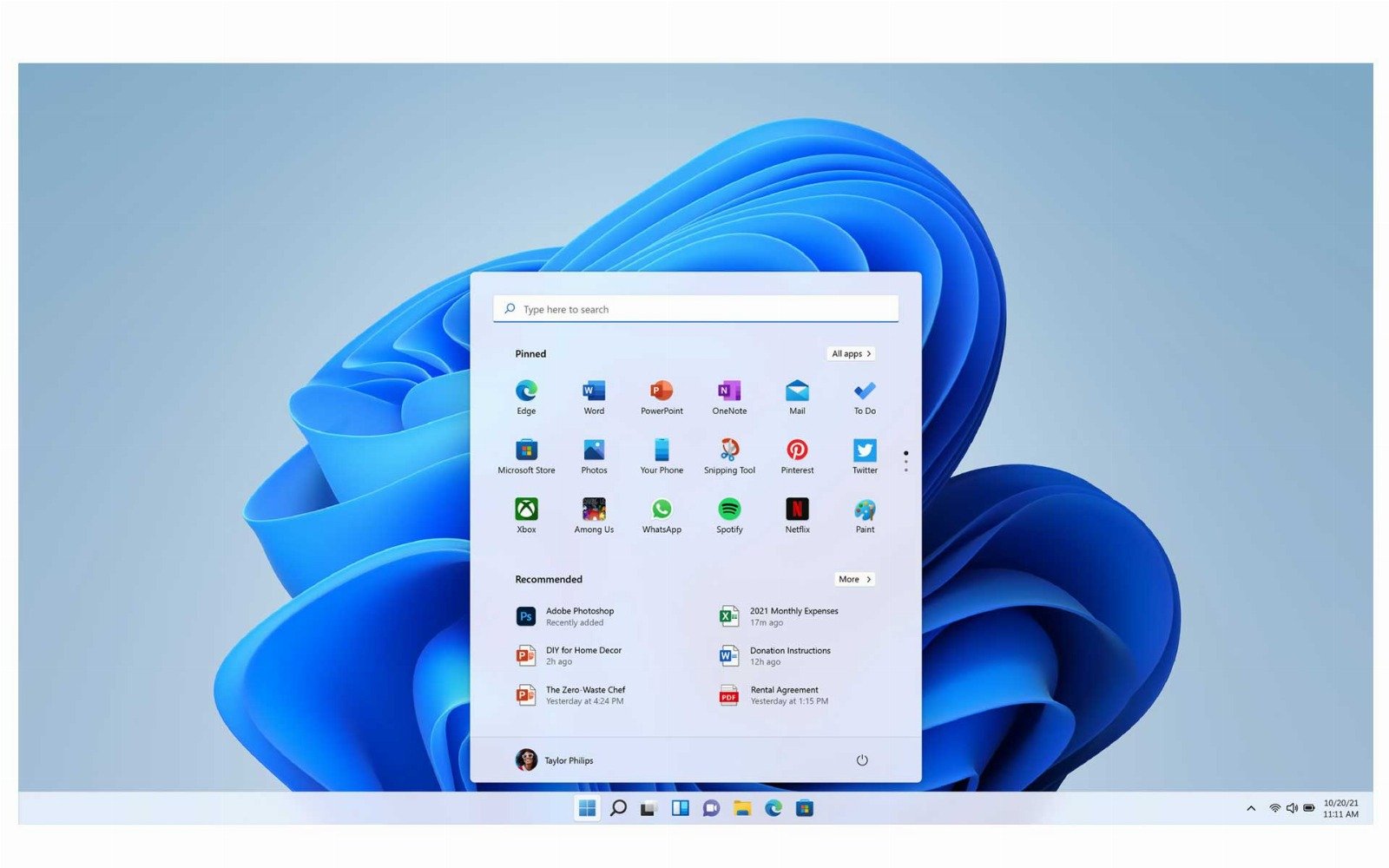
Windows is a line of operating systems developed by Microsoft. First introduced in 1985, Windows has grown to become the most widely used operating system for personal computers globally. It is known for its graphical user interface (GUI), which includes features such as the Start menu, taskbar, and file explorer, making it user-friendly and accessible. Over the years, Windows has been updated through several versions, including Windows XP, Windows 7, Windows 8, and Windows 10, with Windows 11 being the latest major release as of my last update.
Windows is designed to be versatile, supporting a wide range of computer hardware, software applications, and peripheral devices. It is used extensively in both consumer and enterprise environments, supporting tasks ranging from basic computing and internet browsing to complex enterprise applications and data management. The operating system includes built-in security features such as Windows Defender and BitLocker, and it offers robust networking capabilities, making it suitable for both home and office use.
Pros:
- Compatibility: Windows supports a vast array of hardware and software, thanks to its widespread adoption and the extensive ecosystem developed around it. This makes it one of the most flexible and compatible operating systems available.
- Feature-Rich: Windows OS is known for its comprehensive range of features that cater to both general and advanced users. It includes powerful tools for everything from multimedia creation and gaming to business functionality and developer support.
- Regular Updates: Microsoft provides regular updates for security and features, helping to ensure that systems are protected against the latest threats and are equipped with the latest functionalities.
Cons:
- Security Vulnerabilities: Being the most widely used desktop operating system, Windows is a frequent target for malware, viruses, and cyber attacks, although Microsoft continuously works to improve its security defenses.
- System Resource Usage: Windows can be resource-intensive, requiring significant disk space and memory, which can affect performance on older or less powerful hardware.
- Complexity and Maintenance: With its broad range of functionalities and settings, Windows can be complex to manage, especially for enterprise environments. Regular maintenance and updates are necessary to keep it running smoothly, which can be a challenge for less tech-savvy users.
Windows remains a cornerstone of personal and corporate computing, adapting over the decades to meet the evolving needs of users across the globe. Its strength lies in its versatility and the broad support it offers for software applications, making it a foundational piece of technology in both established and emerging digital environments.