
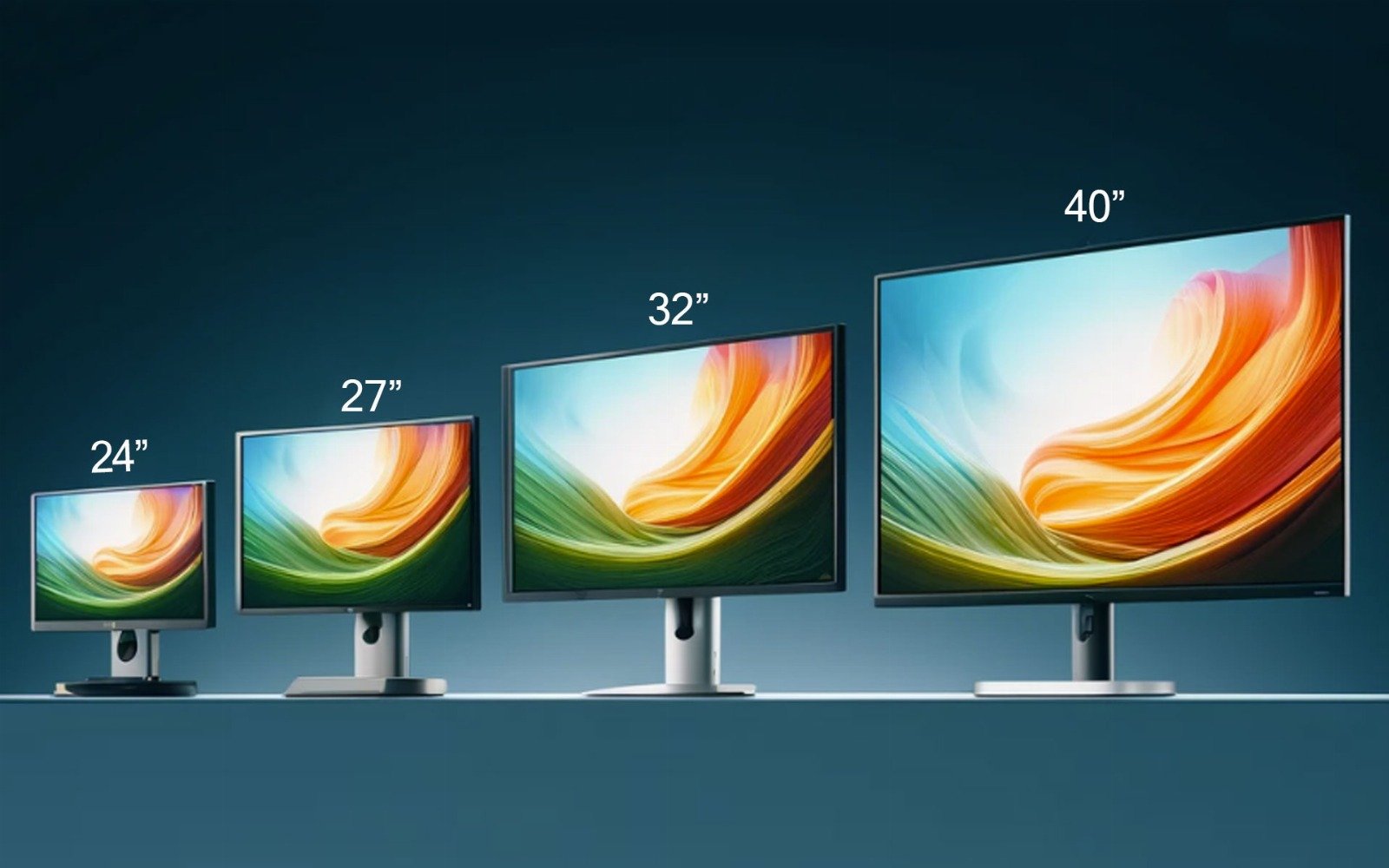
Screen size is the diagonal measurement of a display screen, typically measured in inches. It directly impacts the overall viewing experience, with larger screens offering a more immersive experience but requiring more space.
Importance
- Viewing Comfort: Larger screens can make viewing more comfortable over long periods, reducing eye strain and providing a more immersive experience.
- Productivity: Bigger screens allow for more windows and applications to be open simultaneously, enhancing multitasking capabilities.
Pros of Larger Screen Size
- Increased Immersion: Larger screens are more immersive, especially for gaming and watching movies.
- Enhanced Productivity: They offer more screen real estate for multitasking and professional applications, allowing for a more efficient workflow.
- Better for Group Viewing: Larger screens are preferable for presentations or entertainment settings where multiple viewers are involved.
Cons of Larger Screen Size
- Space Requirements: Larger monitors require more desk space and can dominate smaller workspaces.
- Cost: Generally, as screen size increases, so does the cost.
- Optimal Viewing Distance: Larger screens may require you to sit further back to comfortably view the entire screen, which could be a constraint in small spaces.
Considerations
- The choice of resolution and screen size should be guided by the user's specific needs, preferences, and the types of activities they primarily use their display for. High resolutions are beneficial for detail-oriented tasks and general clarity, while larger screens offer improved immersion and productivity benefits. Balancing these factors with considerations like space, budget, and system capabilities will help users choose the best display for their needs.