
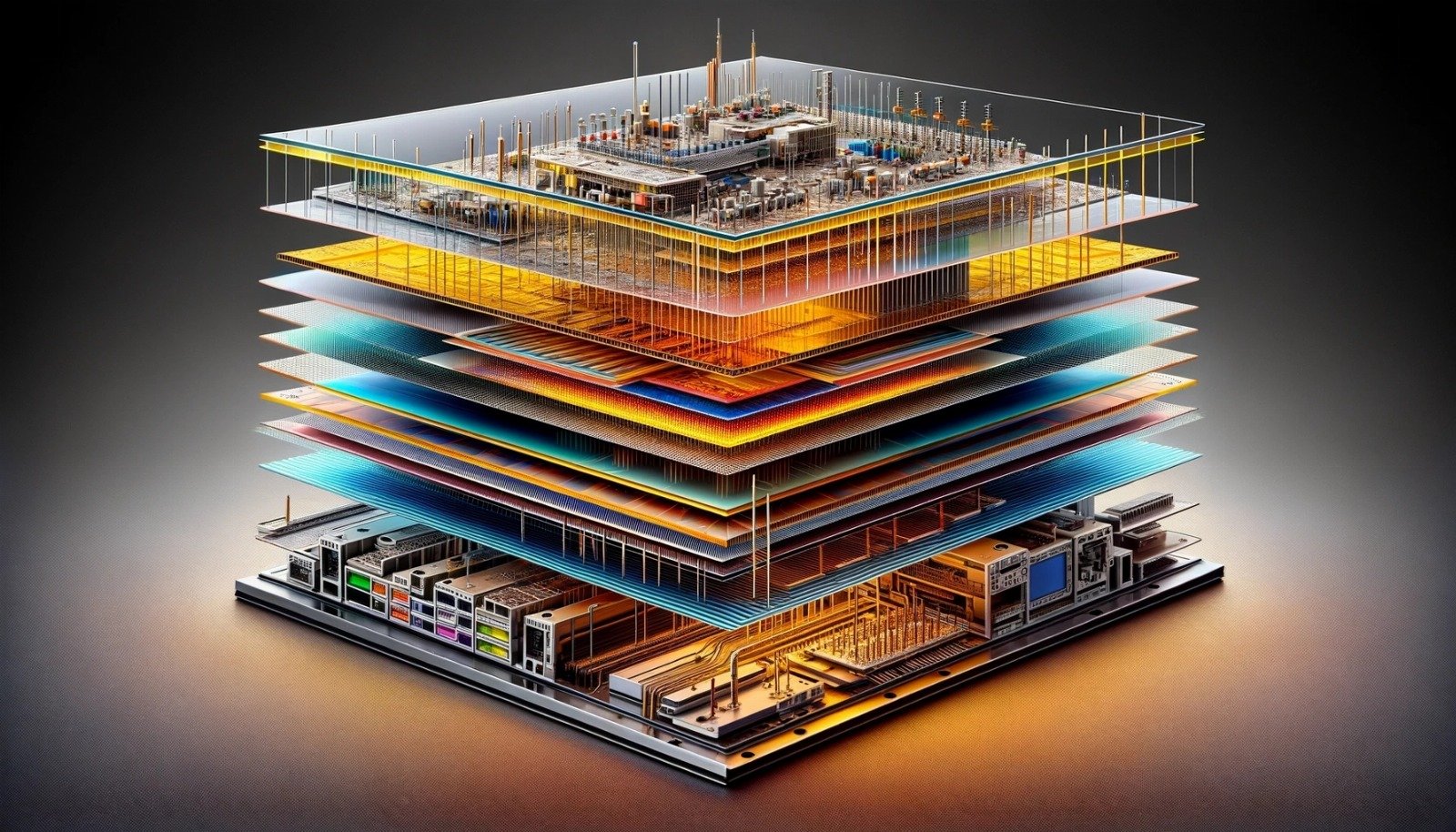
TN (Twisted Nematic)
TN is one of the oldest LCD technologies that is still in widespread use today. It's known for its fast response times and high refresh rates, making it a popular choice for gaming monitors. TN panels operate by twisting the liquid crystals to block or allow light to pass through, a relatively simple mechanism that allows for rapid changes in the display.
TN technology remains a viable option for users prioritizing speed and costs over color accuracy and viewing angles, particularly in the gaming community. Its ability to deliver high refresh rates and low response times at an affordable price point makes it an attractive choice for competitive gamers and those on a budget.
Pros:
- High Refresh Rates: TN panels can support very high refresh rates - 360Hz or more - ideal for competitive gaming where fast motion clarity is essential.
- Low Response Times: They offer the lowest response times, often as low as 0.2 ms, which helps eliminate motion blur and ghosting in fast-paced games.
- Cost-Effective: TN technology is less expensive to produce compared to other technologies.
- Energy-efficient: TN panels tend to consume less power than other types.
Cons:
- Limited Viewing Angles: TN panels have narrower viewing angles, especially vertically, which can lead to color and contrast shifts when viewed from off-center. This makes them less ideal for viewing the screen from side angles or in group settings.
- Inferior color Accuracy: Compared to IPS, VA, and OLED panels, TN panels have weaker color reproduction and a narrower color gamut, which can result in less vibrant and accurate colors. This makes them less suitable for tasks that require precise color work, such as photo editing and graphic design.
- Poorer Contrast Ratios: TN panels generally have lower contrast ratios than other panels, which means they may not display deep blacks as effectively, affecting the overall visual experience in dark scenes.
IPS (In-Plane Switching)
IPS technology (primarily manufactured by LG Display) is known for its strong emphasis on color accuracy and consistency, as well as wider viewing angles compared to traditional TN panels. IPS technology adjusts the liquid crystal alignment to ensure it remains parallel to the panel plane, significantly enhancing viewing angles and color reproduction.
IPS technology has become synonymous with high-quality displays offering excellent color reproduction and wide viewing angles. It's a popular choice among professionals who require color accuracy for their work, as well as enthusiasts seeking a premium viewing experience for gaming, multimedia consumption, and general use. Despite its higher cost and some limitations in contrast and response times, the benefits of IPS technology make it a preferred option for many users looking for quality and consistency in their display.
Pros:
- Wide Viewing Angles: IPS panels offer wide viewing angles up to 178 degrees, ensuring consistent color and brightness even when viewed from sharp angles. This makes them ideal for situations where the display is viewed from the side or in collaborative settings.
- Superior Color Accuracy: These panels are capable of displaying a wide color spectrum with high fidelity, making them preferred for professional photo editing, graphic design, and any application where accurate color representation is crucial.
- Good color Consistency: IPS technology provides uniform color consistency across the entire screen, reducing color shift and ensuring that colors remain true regardless of viewing angle.
- Less Motion Blur: Modern IPS panels have improved response times, reducing motion blur in fast-paced images and videos, and making them more suitable for gaming and dynamic media than earlier iterations.
Cons:
- Cost: IPS panels are generally more expensive than TN panels due to the advanced technology required to produce them. This can make IPS monitors a higher investment compared to budget-oriented displays.
- Lower Contrast Ratios: Compared to VA panels, IPS panels typically have lower contrast ratios, which means that blacks may not be as deep in dark viewing environments.
- Backlight Bleed: Some IPS panels can suffer from backlight bleed, where light leaks from the edges of the screen, potentially affecting dark scene viewing in low-light conditions.
- Response Times: While significantly improved over the years, the fastest IPS panels can still have slightly slower response times compared to the fastest TN or OLED panels, which might concern competitive gamers seeking the quickest possible reaction times.
IPS Variations
AH-IPS (Advanced High-Performance In-Plane Switching)
AH-IPS is an evolution of the traditional IPS technology, focusing on enhancing display performance in terms of color accuracy, power efficiency, and viewing angles. Developed to address the needs of high-end displays, AH-IPS panels offer superior color reproduction and are often used in professional monitors, high-end smartphones, and tablets.
AH-IPS technology represents the pinnacle of IPS panel development, focusing on delivering unparalleled color accuracy, wide viewing angles, and high efficiency. It's targeted at professionals and enthusiasts who demand the highest quality in color-critical applications and are willing to invest in technology that meets these needs. Despite its premium cost and the minor drawbacks common to IPS technology, AH-IPS panels are highly regarded for their performance in high-end monitors and displays.
Pros:
- Superior Color Accuracy: AH-IPS panels are designed to provide excellent color accuracy and consistency, making them ideal for professional photo and video editing, graphic design, and any application where color fidelity is critical.
- Enhanced Brightness and Efficiency: AH-IPS displays can achieve higher brightness levels while being more power-efficient than older IPS variants, contributing to better visibility in bright conditions and longer battery life in portable devices.
- High Resolution and Pixel Density: AH-IPS technology supports higher resolutions and pixel densities, offering sharp and detailed images that are particularly beneficial for high-definition content and fine text rendering.
Cons:
- Cost: The advanced technology behind AH-IPS panels makes them more expensive than standard IPS and other panel types, which might not be ideal for budget-conscious consumers.
- Response Times: While response times have improved, AH-IPS panels may still lag behind the fastest TN panels, potentially making them less optimal for competitive gaming where every millisecond counts.
e-IPS (Enhanced In-Plane Switching)
e-IPS is a variation of the traditional IPS panel technology, designed to offer some of the benefits of IPS, such as wide viewing angles and better color reproduction, but at a lower cost. e-IPS panels achieve this by using a simpler manufacturing process and a more cost-effective approach to the IPS technology, making it more accessible for budget and mid-range markets.
e-IPS technology represents a cost-effective solution for users seeking the benefits of IPS displays without the higher price tag associated with premium IPS models. It's particularly appealing for general use, work environments, and casual gaming, offering a balanced mix of wide viewing angles and improved color accuracy. However, for professional-grade color work or high-end gaming, users might prefer to invest in higher-spec IPS models or other technologies that offer better performance in those specific areas.
Pros:
- Wide Viewing Angles: Like standard IPS panels, e-IPS displays offer wide viewing angles with minimal color shift, making them suitable for situations where the screen is viewed from the side.
- Improved Color Accuracy Over TN: e-IPS panels provide better color accuracy and a wider color gamut than TN panels, although they may not reach the high standards of premium IPS displays.
- Affordable IPS Technology: The main advantage of e-IPS is its affordability. It brings the core benefits of IPS technology, such as improved viewing angles and color reproduction, to a more budget-friendly price point.
- Reduced Power Consumption: e-IPS panels can be more energy-efficient compared to older IPS technologies and certain other panel types, contributing to lower energy costs.
Cons:
- Lower Colour Depth and Contrast Ratios: Compared to high-end IPS and other advanced panel technologies like VA or OLED, e-IPS panels typically offer lower color depth and contrast ratios. This may result in less vibrant colors and shallower blacks.
- Limited Resolution and Size Options: Initially, e-IPS panels were mostly available in limited resolutions and sizes, targeting the budget to mid-range market segments, which might not satisfy users looking for high-resolution displays.
- Response Times: While e-IPS panels have decent response times, they may still be slightly slower than TN panels, potentially making them less ideal for competitive gaming, where every millisecond counts.
H-IPS (Horizontal In-Plane Switching)
H-IPS is a variant of the traditional IPS technology that modifies the structure of the liquid crystal cells and the electrode layout to improve image quality. This adjustment primarily aims to enhance color consistency, reduce light leakage, and increase viewing angles, making H-IPS panels particularly suitable for professional graphic work and users who demand high-quality visual performance.
H-IPS technology offers significant advantages for professional and enthusiast users who prioritize image quality, color accuracy, and viewing comfort. Its enhancements make it an excellent choice for professional photography, graphic design, and any application where color fidelity and image consistency are paramount. Despite its higher cost and minor drawbacks, H-IPS remains a preferred option for those willing to invest in top-tier display performance.
Pros:
- Improved colour Accuracy and Consistency: H-IPS panels offer enhanced colour accuracy and more consistent colour reproduction across the display compared to standard IPS panels, benefiting tasks that require precise colour matching.
- Wider Viewing Angles: The modification in the cell structure leads to even wider and more stable viewing angles, reducing color shift and brightness loss when viewed from extreme angles.
- Reduced Light Bleed: H-IPS technology addresses one of the common drawbacks of IPS panels by reducing light bleed, especially at the edges and corners of the screen, which contributes to a more uniform backlighting.
- Better Contrast Ratios: Compared to traditional IPS panels, H-IPS can provide better contrast ratios, offering deeper blacks and more detailed images in dark scenes.
Cons:
- Cost: The advanced technology and manufacturing process of H-IPS panels make them more expensive than standard IPS and other panel types. This higher cost can make them less accessible to budget-conscious consumers.
- Potential for Glow Effect: While improved, H-IPS panels can still exhibit an IPS glow effect, a slight glow visible on dark screens when viewed from an angle. However, this is generally less pronounced than in other IPS variants.
- Response Times: Although H-IPS panels have good response times for IPS technology, they may still lag behind the fastest TN panels, potentially making them less optimal for competitive gaming.
Nano IPS
Nano IPS is a technology developed by LG that builds upon traditional IPS technology. It involves the incorporation of nanoparticles on the LED backlighting, which absorb unwanted light wavelengths, enhancing the purity of the red and green colors displayed on the screen. This results in more vivid, accurate colors and a wider color gamut, making Nano IPS technology especially appealing for professional use where color accuracy is paramount.
Nano IPS technology represents a significant advancement in the realm of IPS display technology, targeting users who require the utmost in colour accuracy, such as graphic designers, photographers, and video editors. It combines the traditional strengths of IPS displays, including wide viewing angles and quick response times, with an enhanced color experience that rivals more specialized display technologies.
Pros:
- Enhanced colour Accuracy: By utilizing nanoparticles to filter colours more precisely, Nano IPS displays offer exceptional colour accuracy and a wider colour spectrum compared to standard IPS panels.
- Wide color Gamut: Nano IPS panels can cover a significant portion of color spaces such as sRGB, Adobe RGB, and DCI-P3, which is crucial for tasks requiring precise color replication.
- Excellent Viewing Angles: Like traditional IPS panels, Nano IPS maintains wide viewing angles with minimal color shift, ensuring consistent visuals across different viewing positions.
- Good Response Times: Nano IPS technology also focuses on maintaining the rapid response times associated with IPS panels, making them suitable for high-end gaming and professional video editing.
Cons:
- Cost: The advanced technology behind Nano IPS makes these panels more expensive than conventional IPS and other panel types, potentially limiting their accessibility to budget-conscious consumers.
- Brightness and Contrast: While Nano IPS panels offer excellent color performance, they may still lag behind some VA panels in terms of contrast ratio and peak brightness, particularly in very dark scenes.
P-IPS (Professional In-Plane Switching)
P-IPS is an advanced version of IPS technology, tailored explicitly for high-end professional use, that demands exceptional color accuracy, wide color gamuts, and superior viewing angles. P-IPS panels are designed to cater to the needs of professionals in photography, graphic design, video editing, and other color-critical applications.
P-IPS technology is specifically designed for professionals who require the utmost in color accuracy, detail, and consistency in their work. Its ability to render a wide color gamut with high fidelity makes it the panel of choice for critical color grading, photo editing, and any application where visual accuracy is paramount. While the investment is significant, the benefits of P-IPS technology provide invaluable support to professionals aiming for the highest quality in their visual outputs.
Pros:
- Extended color Gamut: P-IPS panels are capable of displaying a broader color spectrum, often covering 100% of the sRGB color space and significant portions of Adobe RGB, providing the accuracy needed for professional color work.
- High color Depth: These panels typically offer 10-bit or even 12-bit color depth, allowing for smoother gradients and a more extensive range of colors, reducing banding and enhancing the detail in images.
- Superior Viewing Angles: Like other IPS variants, P-IPS maintains wide viewing angles with minimal colour shift, ensuring consistent colour and brightness across the display, which is crucial for collaborative work environments and presentation purposes.
- Excellent Color Consistency and Uniformity: P-IPS technology emphasizes uniform color across the screen, which is essential for precise color grading and editing tasks.
Cons:
- Cost: Given the advanced features and benefits, P-IPS monitors tend to be significantly more expensive than standard IPS and other panel types, reflecting their professional-grade capabilities.
- Response Times: While suitable for most professional applications, P-IPS panels may have slower response times compared to TN and some newer IPS variants, making them less ideal for high-speed gaming.
- Power Consumption: The high color fidelity and brightness levels may lead to increased power consumption compared to more basic panel types, which could be a consideration for energy-conscious users.
S-IPS (Super In-Plane Switching)
S-IPS is an enhancement of the original IPS technology designed to improve color reproduction, reduce response times, and increase viewing angles. S-IPS panels are known for their excellent color consistency and ability to display vivid colors across a broad spectrum, making them a favorite among graphic designers, photographers, and any user who prioritizes color accuracy and image quality.
S-IPS technology represents a high-end option within the IPS family, offering significant improvements in color accuracy, viewing angles, and overall image quality. It caters especially well to professionals and enthusiasts who require top-tier visual performance for their work or entertainment. Despite its higher cost and minor drawbacks related to IPS glow and power consumption, S-IPS remains a popular choice for those willing to invest in superior display technology.
Pros:
- Enhanced Color Accuracy: S-IPS panels provide superior color accuracy and a wide color gamut, making them ideal for professional graphic work, photography, and any application requiring precise color representation.
- Wide Viewing Angles: These panels offer extremely wide viewing angles with minimal color shift, ensuring that colors remain consistent no matter the viewing position, which is essential for collaborative viewing and professional editing.
- Improved Response Times: Compared to earlier IPS technologies, S-IPS panels have better response times, reducing motion blur and ghosting in fast-paced videos and games.
- High Brightness and Contrast: S-IPS technology allows for higher brightness levels and better contrast ratios than standard IPS panels, contributing to more vibrant and dynamic images.
Cons:
- Cost: The advanced performance and capabilities of S-IPS panels come at a higher cost, making them more of an investment compared to standard IPS and other panel types.
- IPS Glow: Like other IPS technologies, S-IPS panels can exhibit IPS glow, a phenomenon where dark areas may appear slightly illuminated when viewed from an angle. However, this effect is typically less pronounced than in other IPS variants.
- Power Consumption: Higher brightness levels and colour depth can lead to increased power consumption, making S-IPS displays potentially less energy-efficient than panels with lower performance specifications.
PLS (Plane to Line Switching)
PLS is a display technology developed by Samsung as an improvement over traditional IPS technology. PLS aims to provide better viewing angles, higher brightness levels, improved image quality, and lower production costs compared to IPS panels. It is used in various devices, including monitors, laptops, and tablets.
PLS technology represents Samsung's effort to enhance and refine the benefits of IPS technology, focusing on better viewing angles, color reproduction, and potentially lower costs. It's particularly appealing for users who prioritize image quality and color accuracy in their displays. While it shares many characteristics with IPS panels, the specific advantages of PLS may make it a preferred choice for certain users, especially those looking for Samsung-manufactured displays or devices.
Pros:
- Enhanced Viewing Angles: PLS panels offer extremely wide viewing angles, similar to IPS, with minimal color shift, ensuring consistent image quality across different viewing positions.
- Improved Brightness and Image Quality: These panels can achieve higher brightness levels than IPS panels, enhancing visibility in various lighting conditions and improving overall image quality.
- Cost-Effective Production: One of the goals of PLS technology is to reduce manufacturing costs, potentially making PLS-based displays more affordable than their IPS counterparts.
- Better Color Accuracy: PLS panels are known for their excellent color accuracy and wider color gamuts, making them suitable for tasks that require precise color representation.
Cons:
- Availability: PLS technology is less widely available than IPS, as it is primarily used by Samsung and in devices manufactured by or for Samsung, which may limit options for consumers.
- Variable Response Times: While PLS panels generally offer good response times, there can be variability, and some panels may not be as fast as the best IPS or TN panels, potentially affecting performance in fast-paced gaming.
S-PLS (Super Plane to Line Switching)
Developed by Samsung as an advanced version of PLS technology. PLS is often compared to IPS due to their similarities in performance and objectives. If S-PCA was intended to reference another specific technology or a variant of PLS, information might be scarce, or it might be a newer development not widely documented as of my last update. Here, I'll provide information on Super PLS (S-PLS) technology:
Description: Super PLS (Plane to Line Switching) is a technology developed by Samsung to improve upon the traditional IPS (In-Plane Switching) technology. PLS aims to provide better viewing angles, higher brightness levels, and improved image quality, with a focus on enhancing color accuracy and viewing comfort.
Super PLS technology is Samsung's answer to improving the IPS panel technology, focusing on better viewing angles, color reproduction, and brightness. It offers an appealing option for users who prioritize image quality and color accuracy, especially in contexts where the display is viewed from different angles or used for color-critical applications. However, the specific advantages and availability of S-PLS over traditional IPS or other technologies may depend on the latest developments and market trends.
Pros:
- Wide Viewing Angles: Similar to IPS, S-PLS panels offer wide viewing angles with minimal color shift, making them suitable for scenarios where the display is viewed from various angles.
- Improved Brightness and Color Accuracy: S-PLS panels can achieve higher brightness levels and better colour accuracy compared to traditional IPS panels, enhancing the viewing experience for both general use and professional colour-critical tasks.
- Cost-Effectiveness: Initially, one of the goals of PLS technology was to offer a more cost-effective alternative to IPS, potentially providing similar or improved performance at a lower cost.
- Better Image Quality: Users often report that S-PLS panels provide crisp, vibrant images with excellent detail, making them a great choice for both media consumption and productivity tasks.
Cons:
- Availability: S-PLS panels are not as widely available as IPS panels, as they are primarily used in Samsung products. This can limit choice and availability for consumers looking for monitors or displays with this specific technology.
- Panel Variance: As with any technology, there can be variances in quality and performance between different S-PLS panels and models, affecting uniformity and consistency.1
AHVA (Advanced Hyper-Viewing Angle)
AHVA is a type of LCD panel technology developed by AU Optronics (AUO). Despite what the name might imply, AHVA is not related to VA panel technology but is a derivative of IPS. AHVA panels are known for their wide viewing angles and excellent color reproduction, making them suitable for professional use where color accuracy is paramount.
AHVA technology provides an excellent alternative to IPS and PLS technologies, offering comparable performance in terms of color accuracy, viewing angles, and response times. It's particularly appealing to professionals in photography, graphic design, and video editing, as well as gamers looking for a compromise between high-quality visuals and performance. The choice between AHVA, IPS, and PLS often comes down to specific model performance, brand preference, and price considerations, as these technologies share many similarities in their target market and performance characteristics.
Pros:
- Wide Viewing Angles: AHVA panels offer very wide viewing angles, comparable to those of IPS and PLS panels, with minimal colour shift when viewed from off-angles, ensuring consistent image quality across the display.
- Good Color Accuracy: These panels provide excellent color accuracy and the ability to display a wide color gamut, making them ideal for tasks that require precise color representation, such as graphic design, photo editing, and professional video work.
- Fast Response Times: AHVA panels can offer fast response times, making them a viable option for gaming and dynamic content where motion blur and ghosting need to be minimized.
- High Contrast Ratios: While not as high as VA panels, AHVA panels typically have better contrast ratios than traditional IPS panels, contributing to deeper blacks and more detailed images in dark scenes.
Cons:
- Cost: AHVA panels are often more expensive than TN panels and can be on par with or more expensive than some IPS panels, making them a higher investment for users seeking the balance of performance and color fidelity they offer.
- Potential for Backlight Bleed: Like IPS and PLS panels, AHVA displays can suffer from backlight bleed, where light leaks around the edges of the screen, affecting the viewing experience in dark environments.
- Power Consumption: The high performance and quality of AHVA panels can lead to higher power consumption compared to more basic panel technologies, which might be a consideration for energy-conscious users or battery-dependent devices.
VA (Vertical Alignment)
VA is a type of LCD panel technology characterised by its ability to offer high contrast ratios, deep blacks, and robust colour reproduction. VA panels align liquid crystals in a vertical position when no voltage is applied, blocking the backlight and creating deeper blacks compared to other LCD technologies like IPS and TN.
VA technology offers an appealing middle ground for users looking for the deep blacks and high contrast ratios without the high cost associated with OLED technologies. It's especially favored in environments where viewing content with deep blacks, and high contrast is common, such as gaming and watching movies. However, for tasks requiring the utmost color accuracy and consistency, IPS may still be the preferred choice. VA's balance of cost, performance, and quality makes it a popular option for a broad audience, including gamers and general multimedia users.
Pros:
- High Contrast Ratios: VA panels typically boast higher contrast ratios than IPS and TN panels, offering deeper blacks and more vibrant colors, which enhances the overall viewing experience, especially in dark scenes.
- Good Colour Reproduction: While not quite at the level of IPS in terms of color accuracy, VA panels still offer good color reproduction, making them suitable for general multimedia consumption and gaming.
- Less Prone to Light Leakage: Compared to IPS panels, VA technology tends to exhibit less backlight bleed and light leakage, contributing to more uniform blacks across the screen.
- Versatile Performance: VA panels strike a balance between the fast response times of TN panels and the color accuracy of IPS panels, making them a versatile choice for a wide range of applications, including gaming and general use.
Cons:
- Slower Response Times: Although improved in recent models, VA panels can have slower response times than TN panels, which might lead to motion blur during fast-paced scenes in games or movies.
- Viewing Angles: While better than TN panels, VA panels still suffer from some color shifts and brightness loss when viewed at extreme angles, especially when compared to IPS panels.
- Variability Between Models: There's significant variability in quality and performance among different VA panels, with some models offering near-IPS level color accuracy and others focusing more on contrast and black levels.
VA Variations
AMVA (Advanced MVA)
AMVA is a further development of the VA panel technology designed to improve upon the limitations of traditional VA panels. AMVA focuses on enhancing color reproduction, contrast ratios, and viewing angles, making it an attractive option for both professional and general use.
AMVA panel technology represents an important evolution within the VA panel family, offering an excellent balance of high contrast, color accuracy, and improved viewing angles. It's particularly appealing for users who value deep blacks and rich colors in their viewing experience, such as in photography, graphic design, and multimedia entertainment, and are willing to compromise slightly on response times and the ultimate viewing angles provided by IPS panels.
Pros:
- Superior Contrast Ratios: AMVA panels are known for their high contrast ratios, which provide deeper blacks and more vivid colors compared to standard VA and other panel types. This makes them particularly suitable for viewing content with significant dark and light scenes.
- Enhanced Color Accuracy: These panels offer improved color accuracy and a wider color gamut, making them a good choice for tasks that require precise color representation.
- Better Viewing Angles: AMVA technology provides better viewing angles than traditional VA panels, with less color shift and brightness loss when viewed from an angle, though not quite as expansive as those offered by IPS panels.
- Reduced Light Leakage: Thanks to their advanced design, AMVA panels exhibit less light leakage around the edges and corners, enhancing the uniformity of backlighting and overall visual quality.
Cons:
- Response Times: While AMVA panels have seen improvements in response times, they can still be slower than TN and some IPS panels, which may not make them the first choice for high-speed gaming, where rapid response is crucial.
- Brightness Uniformity: Despite their strengths, some AMVA panels may still experience issues with brightness uniformity across the display, particularly noticeable in very bright or very dark scenes.
MVA (Multi-domain Vertical Alignment)
MVA is a type of LCD panel technology designed to improve upon the shortcomings of early VA panels, particularly in terms of viewing angles and color reproduction. MVA panels employ a vertical alignment of liquid crystals with multiple domains per pixel, which helps to distribute the light more evenly and maintain color accuracy from wider angles.
MVA technology provides a balance between high contrast ratios, improved viewing angles, and better color accuracy. It's well-suited for users looking for an enhanced viewing experience for multimedia, work, and casual gaming, offering a middle ground between the fast response times of TN panels and the color accuracy of IPS panels. However, the technology's advantages and disadvantages can vary significantly depending on the specific panel and its implementation, making it important to consider individual reviews and specifications when choosing an MVA display.
Pros:
- High Contrast Ratios: MVA panels are known for their high contrast ratios, which allow for deep blacks and rich color depth, enhancing the overall image quality, especially in dark scenes.
- Improved Viewing Angles: The multi-domain approach significantly improves viewing angles compared to traditional VA panels, reducing color shift and brightness loss when viewed off-axis.
- Better Color Accuracy: MVA technology offers good color accuracy and can display a wide color gamut, making it suitable for general multimedia consumption and some forms of professional work.
- Reduced Ghosting: MVA panels typically have faster response times than traditional VA panels, which reduces ghosting and blur in fast-moving images.
Cons:
- Response Times: Despite improvements, MVA panels can still exhibit slower response times compared to TN and some IPS panels, which might not make them the first choice for competitive gaming.
- Variable Performance: There can be significant variability in the performance of MVA panels between manufacturers and models, especially regarding response times and viewing angles.
S-PVA (Super Patterned-ITO Vertical Alignment)
S-PVA is a refinement of the traditional PVA technology used in LCD panels. Developed to enhance the performance of VA panels, S-PVA focuses on improving image quality by offering better contrast ratios, color accuracy, and viewing angles. This technology incorporates a more complex alignment of liquid crystals and uses a patterned indium tin oxide (ITO) layer to achieve superior control over light transmission.
S-PVA technology is designed to balance the need for high contrast and vibrant color reproduction with the demand for wider viewing angles, making it a compelling choice for professional visual work, multimedia consumption, and general computing tasks. It offers a notable improvement over standard VA panels, particularly in terms of viewing angles and color consistency. Despite its higher cost and the potential for slower response times compared to other technologies, S-PVA remains a popular option for users who prioritize image quality and are willing to invest in a display that delivers deep blacks and accurate colors.
Pros:
- High Contrast Ratios: S-PVA panels are known for their excellent contrast ratios, providing deep blacks and vibrant colors that make them ideal for viewing high-definition content and professional imaging applications.
- Improved Viewing Angles: Compared to traditional VA panels, S-PVA offers wider viewing angles with less color shift, making it more suitable for situations where the display is viewed from off-center positions.
- Good color Reproduction: These panels can produce a wide color gamut and maintain color accuracy across a range of viewing angles, benefiting tasks that require precise color management.
- Reduced Ghosting and Blur: S-PVA panels generally offer faster response times than standard VA panels, reducing ghosting and blur in fast-moving images, which is beneficial for gaming and dynamic video content.
Cons:
- Response Times: While improved, the response times of S-PVA panels may still be slower than those of high-end TN or some IPS panels, potentially leading to motion artifacts in very fast-paced scenarios.
- Brightness Uniformity: Some users may notice variations in brightness across the panel, particularly in models with less effective backlighting solutions.
SVA (Super Vertical Alignment)
SVA is an advanced version of the standard VA panel technology. SVA panels are designed to offer improved image quality and viewing angles over traditional VA panels. They achieve this through an enhanced alignment of liquid crystal molecules, which allows for more uniform light distribution across the screen.
SVA panel technology is a notable improvement over traditional VA panels, offering better contrast ratios, color accuracy, and viewing angles. It strikes a balance for users who prioritize image quality without the need for the ultra-fast response times dedicated to competitive gaming or the color precision required by professional content creators. SVA panels are especially appealing for multimedia consumption, where the depth of black and the quality of the viewing experience are paramount.
Pros:
- Enhanced Contrast Ratios: Like VA panels, SVA panels excel in delivering deep blacks and high contrast ratios but with even better performance, making them ideal for viewing content with dark scenes.
- Improved Viewing Angles: SVA technology offers wider viewing angles compared to standard VA panels, reducing color shift and brightness loss when viewed from off-center positions.
- Good color Accuracy: SVA panels can provide good color accuracy and saturation, making them suitable for general multimedia consumption and gaming.
- Reduced Light Leakage: They are designed to minimize light leakage at the edges and corners of the screen, which enhances the overall viewing experience, especially in dark environments.
Cons:
- Response Times: While they may offer improvements over traditional VA panels, SVA panels can still exhibit slower response times than TN or some IPS panels, potentially leading to motion blur in fast-paced videos or games.
- Contrast and Brightness Uniformity: Despite improvements, some users might still notice variations in contrast and brightness, especially across larger screens.
OLED (Organic Light Emitting Diode)
OLED technology stands out for its unique method of creating images using organic compounds that emit light when an electric current is applied. Unlike LCD panels that require a backlight, each pixel in an OLED display can produce its own light, allowing for precise control over brightness and color on a pixel-by-pixel basis. This results in exceptional image quality, with true blacks, vibrant colors, and wide viewing angles.
OLED technology represents the pinnacle of display quality, offering unmatched contrast, color accuracy, and viewing experiences. It's particularly well-suited for high-end TVs, smartphones, and monitors where image quality is a top priority. Despite its higher cost and concerns over burn-in and lifespan, OLED's superior performance makes it a preferred choice for enthusiasts and professionals alike. The ongoing advancements in OLED technology continue to address these concerns, making it increasingly attractive for a wider range of applications.
Pros:
- True Blacks and Infinite Contrast: Since OLED pixels emit their own light, they can be turned off completely to achieve true black levels and infinite contrast ratios, enhancing the depth and realism of images.
- Wide Viewing Angles: OLED displays maintain colour accuracy and brightness at virtually any viewing angle, making them superior in this aspect to LCD-based technologies.
- Fast Response Times: OLED technology offers almost instantaneous response times, reducing motion blur to nearly imperceptible levels and providing a smoother viewing experience in fast-moving content.
- Thin and Flexible Design: The absence of a backlight allows OLED displays to be much thinner and lighter than LCDs. This also opens up possibilities for flexible and curved display designs.
Cons:
- Risk of Burn-In: One of the primary drawbacks of OLED technology is the risk of burn-in, where static images left on the screen for long periods can cause permanent ghosting or image retention.
- Cost: OLED displays are generally more expensive to produce and purchase than LCD panels, making them a premium option.
- Lifespan: The organic materials used in OLED displays can degrade over time, particularly the blue light-emitting compounds, potentially leading to changes in color balance and brightness.
MicroLED
MicroLED technology is an emerging display technology that shares many benefits with OLED but with some key improvements. Like OLED, MicroLED consists of microscopic LED arrays forming individual pixel elements. However, MicroLED uses inorganic materials, offering distinct advantages over OLED.
MicroLED is considered by many to be the future of display technology, offering a promising combination of OLED's visual quality without its drawbacks. However, it's still in the early stages of commercial availability, with research and development ongoing to overcome its current limitations and reduce production costs.
Pros:
- Exceptional Brightness and Contrast Ratios: MicroLED can achieve very high brightness levels and maintain excellent contrast ratios, similar to OLED, with true blacks since pixels can be turned off individually.
- No Risk of Burn-In: Unlike OLED, MicroLED does not suffer from burn-in issues, making it more suitable for static content display over long periods.
- Longer Lifespan: The inorganic nature of MicroLEDs contributes to a longer lifespan compared to OLED panels.
- Energy Efficiency: MicroLED displays can be more energy-efficient, especially at higher brightness levels.
- Wide Viewing Angles and Excellent colour Accuracy: Offers vibrant colours and wide viewing angles without the risk of colour shifting.
Cons:
- Extremely High Cost: Currently, MicroLED technology is way too expensive to produce, especially for smaller display sizes, making it less accessible to mainstream consumers.
- Manufacturing Challenges: The production of MicroLED displays is technically challenging, particularly in aligning and transferring microscopic LEDs onto a substrate. This complexity adds to the cost and has slowed widespread adoption.
- Limited Availability: Currently, MicroLED technology is mainly found in high-end displays and large-scale applications like video walls due to its manufacturing complexity and cost.
QLED (Quantum Dot LED)
QLED technology is a term popularised by Samsung, referring to LED Monitors and TVs that use quantum dots to enhance performance in key picture quality areas. Quantum dots are nano-sized particles that emit or convert light into different colors when illuminated by LEDs. LCD Monitors and TVs use this technology to improve their color and brightness.
QLED technology represents a significant advancement in LED-backlit LCD Monitors and TVs, offering improved color accuracy, brightness, and energy efficiency. It's particularly well-suited for users who value bright, vivid displays and are concerned about OLED panels' longevity and burn-in issues. However, OLED still holds an advantage when it comes to achieving the deepest blacks and uniform contrast.
Pros:
- Brighter Displays: QLED panels can achieve higher brightness levels compared to OLED, making them more suitable for viewing in brightly lit environments.
- Vibrant colors: Quantum dots enable a wider color gamut and richer, more accurate colors, enhancing the overall visual experience.
- No Burn-In Risk: Since QLED is based on an LED-backlit LCD technology, it doesn't have the burn-in issues associated with OLED displays.
- Energy Efficient: Generally, QLED screens are more energy-efficient than traditional LCDs and OLEDs, especially at higher brightness levels.
- Longer Lifespan: The inorganic nature of quantum dots contributes to a potentially longer lifespan for QLED displays compared to OLED.
Cons:
- Contrast and Black Levels: While QLED Monitors and TVs offer high brightness and vibrant colors, their contrast ratios and black levels are not as deep or uniform as those in OLED displays due to their reliance on backlighting.
- Viewing Angles: QLED displays typically have narrower viewing angles than OLED, with color and contrast degrading more noticeably when viewed from the side.
- Cost: High-end QLED Monitors and TVs can be quite expensive, although they generally remain more affordable than OLED models of comparable size and feature set.
QD-OLED (Quantum Dot Organic Light Emitting Diode)
QD-OLED is an advanced display technology that combines the best attributes of OLED and quantum dot technologies. It utilizes a blue OLED layer to create light, which then passes through a layer of quantum dots to produce pure and highly saturated colors. This innovative approach aims to enhance color brightness, efficiency, and the color gamut beyond what traditional OLED displays can achieve.
QD-OLED represents a cutting-edge development in display technology, aiming to combine the strengths of OLED's contrast and viewing angles with the color performance of quantum dots. It promises to deliver superior image quality, making it an exciting option for high-end TVs, monitors, and potentially other devices in the future. Despite its premium cost and early market presence, QD-OLED has the potential to set new standards in display technology, offering an unparalleled viewing experience for enthusiasts and professionals alike.
Pros:
- Enhanced Colour Performance: QD-OLED technology offers a wider color gamut and higher color volume thanks to the addition of quantum dots, which convert blue OLED light into pure red and green, resulting in more vivid and accurate colors.
- High Contrast and True Blacks: Like OLED, QD-OLED enables individual pixels to be turned off, producing true blacks and maintaining the infinite contrast ratio characteristic of OLED technology.
- Improved Brightness and Efficiency: The use of quantum dots enhances the overall brightness and energy efficiency of the display compared to traditional OLED, potentially extending the lifespan of the display elements.
- Wide Viewing Angles: QD-OLED displays maintain colour accuracy and brightness over a wide range of viewing angles, similar to OLED technology, ensuring a consistent viewing experience from virtually any perspective.
Cons:
- Cost: The complex manufacturing process of QD-OLED displays makes them more expensive than most other types of display technologies, at least in the initial stages of their market introduction.
- Risk of Burn-In: While the risk may be mitigated through various technologies and usage patterns, QD-OLED, like traditional OLED, is still susceptible to burn-in or image retention from static images over extended periods.
- Limited Availability: As a relatively new technology, QD-OLED is not yet as widely available as more established display technologies, with a limited number of manufacturers currently offering QD-OLED products.
Each panel technology has its place in the market, catering to different user needs and preferences, from professional color work with IPS to high-speed gaming with TN, immersive viewing on VA panels, and the combined high-end experience of OLED displays and MicroLED.