
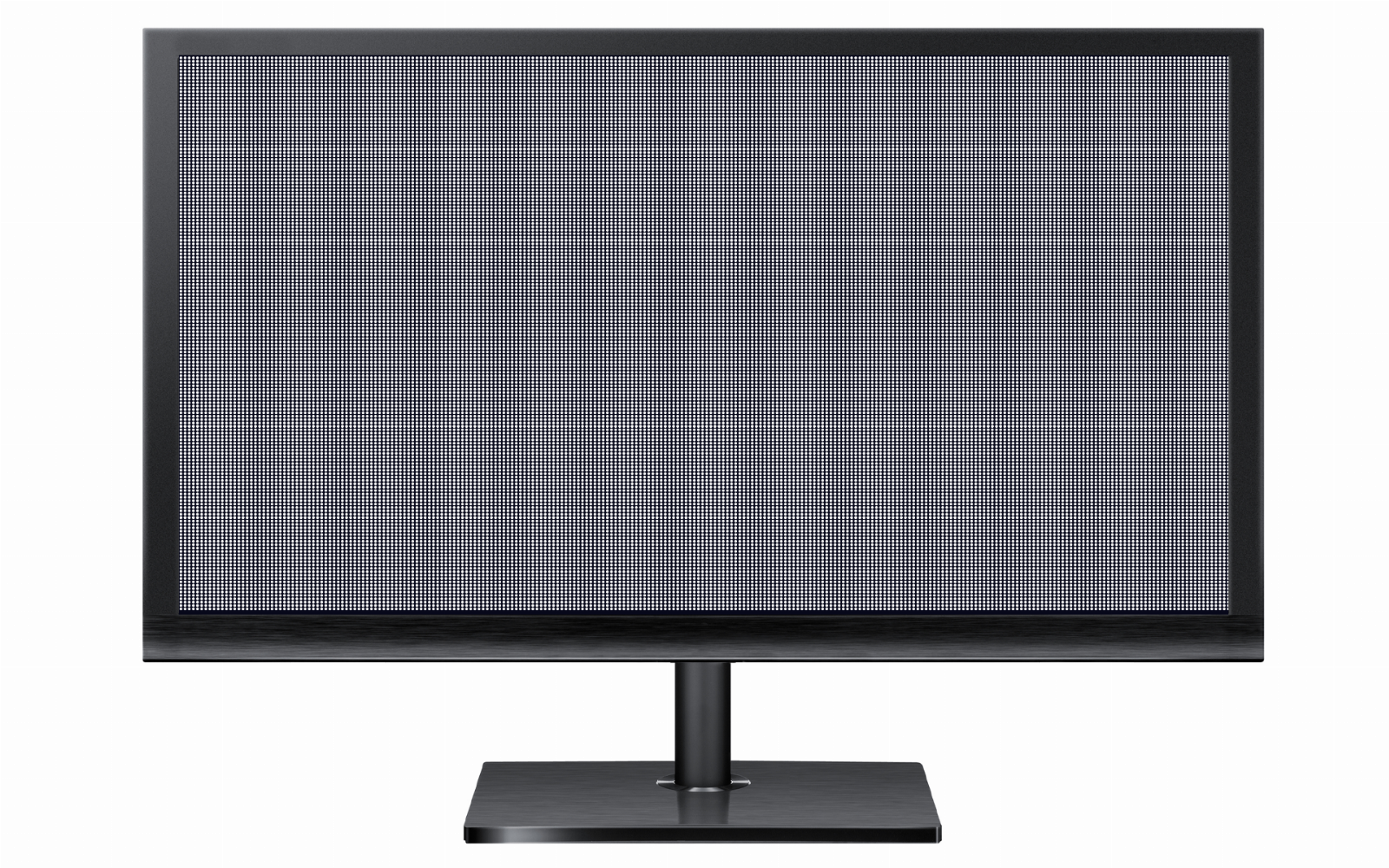
Mini-LED technology is an advanced form of LED backlighting for LCD displays that uses thousands of tiny LEDs, much smaller than those used in conventional LED backlights. This allows for more precise backlight control and a higher number of dimming zones compared to traditional LED displays. By having more control over smaller sections of the backlight, Mini-LEDs can offer better contrast, deeper blacks, and improved brightness uniformity, reducing issues like blooming, where bright areas can bleed into darker ones.
The increase in the number of LEDs also enhances the overall dynamic range of the display, allowing Mini-LED panels to deliver visuals closer to what OLED technology can offer but with greater brightness levels. Mini-LED technology is currently used in high-end televisions, monitors, and is increasingly being adopted in smaller devices like tablets and laptops. Its ability to provide high-quality display performance while maintaining the advantages of LCD technology (like brightness and durability) makes it a compelling choice for premium display products.
Pros:
- Improved Contrast and Brightness: Provides better control over lighting and darkness on the screen, offering higher contrast ratios and brightness than traditional LEDs.
- Reduced Blooming: The smaller LEDs and more numerous dimming zones help minimize light bleed, enhancing the accuracy of HDR content reproduction.
- Energy Efficiency: Despite the increased number of LEDs, Mini-LEDs can be more energy efficient due to their smaller size and the precision with which they can be managed.
Cons:
- Cost: The technology is more expensive to produce than standard LED backlighting, increasing the overall cost of the displays.
- Complexity: The increased number of components and control circuits can make the manufacturing process more complex.
- Not True Black: While contrast ratios are greatly improved, Mini-LEDs, like other LCD technologies, cannot achieve the true black levels of OLED displays.